How Obsidian DEX Infrastructure Works
If you are trading in 2026, latency is not just a technical metric; it is the primary determinant of profitability. Obsidian DEX was built to solve the execution slippage that plagues standard decentralized exchanges. By leveraging a specialized low-latency architecture, Obsidian ensures that your trades execute at the price you see, minimizing the gap between intent and settlement. This infrastructure is the backbone of the Obsidian DEX guide, designed specifically for high-stakes trading where every millisecond counts.
The core advantage lies in how Obsidian handles order routing and liquidity aggregation. Unlike legacy DEXs that rely on slower, sequential block processing, Obsidian utilizes advanced mempool visibility and direct node integration. This allows for near-instantaneous transaction finality, effectively removing the "waiting room" friction that often results in front-running or unfavorable slippage. For traders managing significant capital, this structural efficiency translates directly into better fill rates and reduced exposure to market volatility during execution.
Understanding this infrastructure is essential for anyone serious about DeFi execution strategies. The Obsidian DEX guide emphasizes that speed alone is not enough; you need a system that maintains stability under high load. Obsidian’s architecture is engineered to handle large order sizes without fragmenting liquidity, ensuring that even substantial trades do not disproportionately impact the market price. This capability makes it a preferred choice for institutional-grade trading on decentralized platforms.
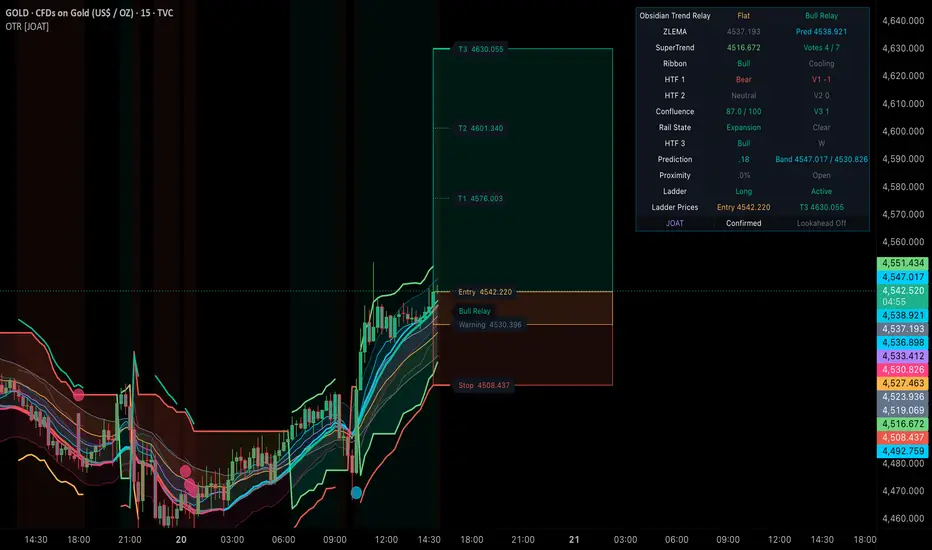
To visualize the liquidity depth and trading activity that this infrastructure supports, consider the performance of a major asset pair traded on the network. The chart below demonstrates the tight spreads and consistent volume that low-latency execution helps maintain.
Execution tools and latency advantages
Speed is the primary differentiator for Obsidian DEX. While traditional automated market makers (AMMs) often suffer from high slippage during volatile periods, Obsidian DEX leverages low-latency execution to minimize price impact. This section breaks down the specific tools that enable this performance and compares them against standard DeFi and centralized exchange (CEX) models.
Obsidian DEX vs. Standard AMMs and CEXs
The following comparison highlights how Obsidian DEX handles execution speed, slippage, and fees relative to other platforms. Obsidian’s architecture is designed to bypass the queue congestion typical of popular AMMs, offering a middle ground between the decentralization of on-chain trading and the speed of centralized order books.
| Feature | Obsidian DEX | Standard AMM | Centralized Exchange |
|---|---|---|---|
| Execution Speed | Near-instant (sub-second) | Variable (often seconds to minutes) | Near-instant |
| Slippage | Low (optimized routing) | High during volatility | Low |
| Fees | Competitive on-chain rates | High gas + slippage | Maker/taker fees |
| Custody | Non-custodial | Non-custodial | Custodial |
Market Context
Understanding the current market conditions is essential for timing your execution. Low-latency strategies are most effective when volatility is high, as this is where traditional AMMs fail most often. The following chart provides a technical view of the relevant asset class, helping you identify entry and exit points that align with Obsidian’s execution capabilities.
Essential Gear for Traders
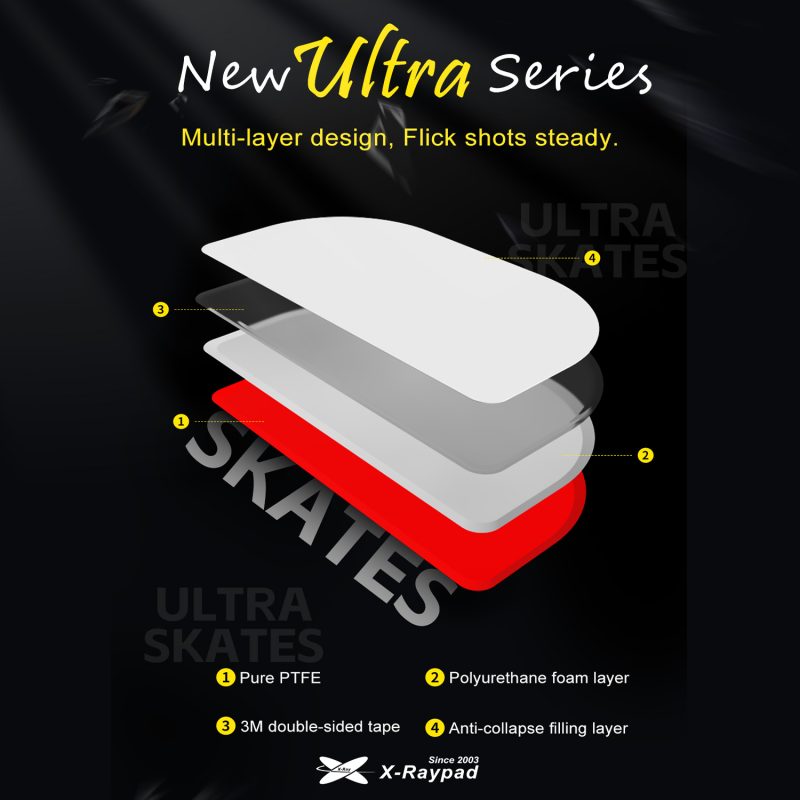
While execution is software-driven, having the right hardware setup can reduce network latency and improve your ability to react to market movements. Below are tools that can support a low-latency trading environment.


As an Amazon Associate, we may earn from qualifying purchases.
Managing risk during high-stakes Obsidian DEX trades
High-stakes trading on Obsidian DEX demands more than just speed; it requires a disciplined framework to protect capital against volatility and execution errors. When liquidity is thin or market conditions shift rapidly, the margin for error shrinks. The goal is not to eliminate risk entirely, which is impossible in DeFi, but to manage it through structured execution and real-time data awareness.
Set strict price limits before entering
Slippage is the silent killer of profitable trades. Before initiating any high-value swap, you must define your maximum acceptable slippage tolerance. Obsidian DEX allows you to set precise limits that prevent your transaction from executing at a significantly worse rate than the quoted price. This acts as a circuit breaker, ensuring that a sudden market dip does not result in a catastrophic loss of principal.
Monitor real-time volatility with live data
Static charts are insufficient for high-frequency decision-making. Use live price widgets to track the asset you are trading in real-time. Observing the current market price against your entry point helps you identify if the spread is widening, which often signals low liquidity or impending volatility. If the price moves against your position beyond your predefined threshold, the prudent move is to cancel or adjust the trade rather than forcing a bad execution.
Use technical charts for trend confirmation
Before committing significant capital, verify the broader market context. Embed a technical chart for the relevant asset pair to visualize recent price action and volume trends. If the chart shows a sharp, unsupported drop or unusual volume spikes, it may indicate a liquidity crunch or a manipulation event. Confirming the trend direction with a provider-backed chart adds a layer of due diligence that protects against trading against a strong market momentum.
Diversify execution to reduce exposure
Avoid dumping a large position in a single transaction. Breaking a large trade into smaller, staggered orders reduces your market impact and minimizes the risk of filling at a poor average price. This strategy, often called slugging or iceberg trading, helps maintain a steadier average entry or exit price. By spreading out your exposure, you give the market time to absorb your orders without causing a sharp price deviation.
Review transaction history for pattern recognition
After the trade is complete, review the execution details. Did the transaction fail? Did it execute with higher slippage than expected? Obsidian DEX provides transparent logs of all interactions. Analyzing these patterns helps you refine your slippage settings and timing for future trades. Consistent review turns individual trade outcomes into a structured learning process, improving your risk management framework over time.
How to execute your first trade on Obsidian DEX
Setting up your first trade on Obsidian DEX is straightforward, but it requires a specific sequence to ensure low-latency execution. You need a Web3 wallet, a small amount of native gas tokens for the underlying chain, and a clear understanding of the trading interface. This guide walks you through the exact steps to go from a disconnected wallet to a live position.
Navigate to the Obsidian DEX interface and click the "Connect Wallet" button in the top right corner. Select your preferred provider (e.g., MetaMask, WalletConnect). Ensure you are on the correct network supported by Obsidian; connecting to the wrong chain will result in failed transactions. The interface should immediately display your wallet address and current balance.
You cannot trade without native tokens to pay for transaction fees. Transfer a small amount of the chain's native currency (e.g., ETH for Ethereum, MATIC for Polygon) from an exchange or another wallet to your connected address. Keep enough for at least three to five transactions to cover initial approvals and swaps. Low-latency strategies often involve multiple rapid transactions, so ensure your gas limit is sufficient.
Before swapping any tokens, you must approve the Obsidian DEX smart contract to spend your assets. Click the "Approve" button next to the token you wish to sell. A wallet signature request will pop up; confirm it. This is a one-time action per token. The transaction will appear in your wallet's pending state and then confirm on-chain. Wait for the "Approved" status to appear in the interface before proceeding.
Enter the amount of tokens you wish to trade in the input field. Obsidian DEX will automatically calculate the output amount based on current liquidity. For low-latency execution, check the "Slippage Tolerance" setting. Set this to a low percentage (e.g., 0.5% - 1%) to ensure you get a fair price, but be aware that too low a setting may cause transaction failures during high volatility. Enable "Advanced Settings" to toggle priority fees if the network is congested.

Review the transaction details, including the estimated gas fee and the exact output amount. Click "Swap" to broadcast the transaction to the network. Obsidian DEX is designed for speed, so confirmations should be relatively quick. Monitor the transaction hash in your wallet or a block explorer. Once confirmed, your new token balance will appear in your wallet and on the Obsidian interface. You have now successfully executed your first trade.
After your first trade, consider reviewing your transaction history in the "Portfolio" tab. This helps you track your performance and understand the fee structure. As you become more comfortable, you can explore advanced features like limit orders or cross-chain swaps, but mastering the basic swap workflow is the essential foundation for any Obsidian DEX guide.
No comments yet. Be the first to share your thoughts!