Defining the Obsidian DEX landscape
The Obsidian DEX operates in a high-stakes environment where infrastructure dictates survival. Unlike generic aggregators, this protocol is engineered for precision execution in volatile markets. Traders here are not just swapping tokens; they are navigating a complex web of liquidity pools and smart contract risks that demand rigorous oversight.
The Infrastructure Advantage
At its core, the Obsidian DEX leverages specialized routing algorithms to minimize slippage during high-volume trades. This infrastructure is critical for institutional players and sophisticated retail traders who cannot afford the latency or price impact common on less optimized platforms. The system prioritizes capital efficiency, ensuring that every transaction reflects the most accurate market data available at that millisecond.
Navigating the Risks
High performance comes with inherent risks. Smart contract vulnerabilities and liquidity fragmentation are constant threats. Traders must understand the underlying mechanics of the Obsidian protocol to mitigate these dangers. Relying on outdated data or unverified sources can lead to significant losses. Staying informed through official channels and real-time analytics is not optional—it is essential for long-term viability in this niche.
Core infrastructure components
Reliable execution on a decentralized exchange depends on a robust technical backbone. If your node is slow or your data feed is stale, your trade fails—or worse, executes at a loss. You need to understand the three pillars that keep an Obsidian DEX trade moving: nodes, RPC endpoints, and data feeds.
Nodes and RPC endpoints
Your node is the bridge between your wallet and the blockchain. It validates transactions and broadcasts them to the network. For high-frequency trading or large orders, a single node is a single point of failure. If that node lags, you miss the best price.
Don’t rely on public, free RPCs for serious trading. They are rate-limited and often throttled during peak times. Use a dedicated provider or run your own full node. This gives you direct control over your transaction priority and reduces the risk of being front-run by bots monitoring public mempools.
Data feeds and oracles
Prices on a DEX come from liquidity pools, but external data (like asset prices for collateralization) comes from oracles. If an oracle feed is delayed or manipulated, your position could be liquidated unfairly or your swap executed at a wildly incorrect rate.
Always verify which oracle provider the Obsidian DEX integrates with. Prefer decentralized oracle networks that aggregate data from multiple sources. This minimizes the risk of a single data point being corrupted. Check the official documentation for the specific oracle contracts used by the protocol you are trading on.

Monitoring and latency
Latency is the enemy of DEX trading. Even milliseconds matter when competing against arbitrage bots. Use tools that monitor your node’s sync status and RPC response times. If your node is falling behind the chain head, switch endpoints immediately.
Consider using a dedicated infrastructure provider that offers low-latency endpoints in regions close to the network’s primary validators. This physical proximity can shave critical milliseconds off your transaction submission time, giving you a better chance of getting the price you saw on your screen.
Execution strategy and tools
Slippage in decentralized exchanges is rarely a single event; it is a structural cost of liquidity fragmentation. When trading on Obsidian, your execution strategy must account for how order routing interacts with available depth. The goal is not just to fill the order, but to minimize the price impact that erodes your position before confirmation.
Comparing execution tools
Different tools offer varying levels of control over slippage tolerance and routing paths. Use the table below to evaluate which execution method aligns with your risk tolerance and trading volume.
| Tool | Slippage Control | Execution Speed | Best For |
|---|---|---|---|
| Limit Orders | Zero (if unfilled) | Slow | Price precision |
| Market Orders | High | Instant | Urgency |
| TWAP | Low | Medium | Large volume |
| DCA | Medium | Slow | Accumulation |
Managing slippage tolerance
Setting slippage tolerance is the most critical manual control you have. A tight tolerance (0.1%-0.5%) protects against bad fills but risks transaction failure during volatility. A loose tolerance (1%-3%) ensures execution but may result in significant price impact. For most Obsidian trades, a dynamic approach based on current network congestion is safer than a static setting.
Risk management protocols
High-stakes DeFi trading on Obsidian DEX requires more than just a fast interface; it demands a disciplined framework for handling volatility and infrastructure failures. The difference between a profitable trade and a drained wallet often comes down to pre-defined risk controls rather than market timing.
We break down the essential protocols for protecting capital during high-volatility events.
Never risk more than 1-2% of your total portfolio on a single trade. Use a position sizing calculator to determine your entry amount based on your stop-loss distance. This ensures that a single bad trade cannot significantly impact your overall capital, allowing you to survive a string of losses.
Emotional trading leads to losses. Set automated stop-losses to exit positions if the price moves against you by a specific percentage. Similarly, define take-profit levels to secure gains before the market reverses. These parameters remove hesitation and enforce discipline during rapid price swings.

Before executing large orders, check the liquidity pool depth. Thin liquidity can cause significant slippage, meaning you receive far fewer tokens than expected. Use the Obsidian DEX interface to preview the exact price impact of your trade. If the impact exceeds 1%, consider breaking the order into smaller chunks or waiting for better market conditions.
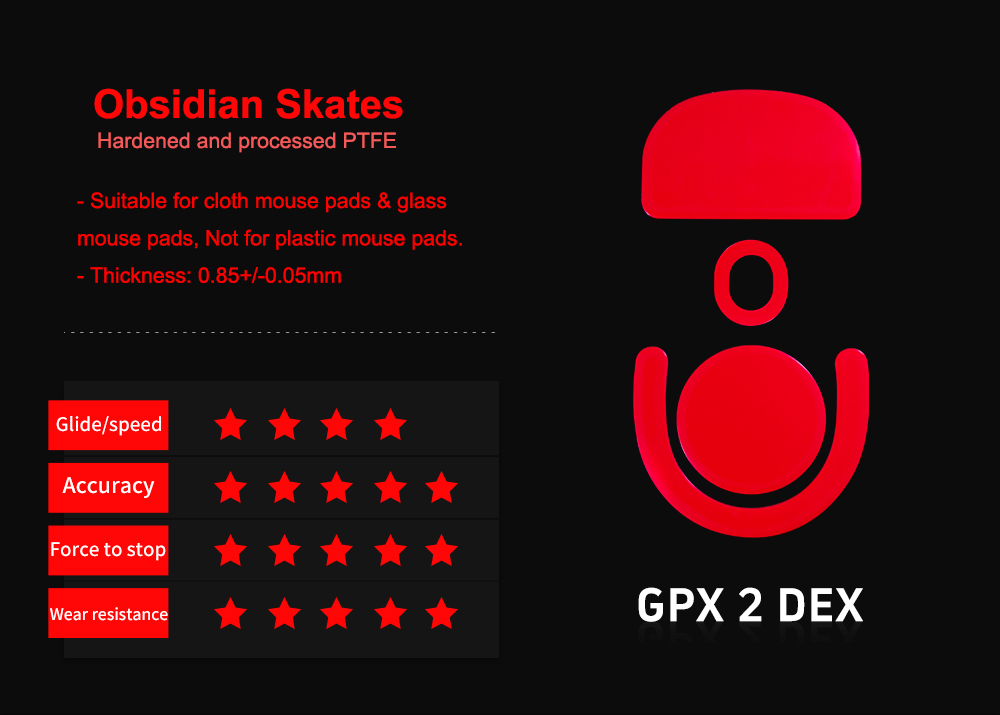
DeFi infrastructure can fail during network congestion. Before trading, verify that the Obsidian DEX smart contracts are operational and that gas fees are at reasonable levels. Sudden spikes in gas can erode profits or cause transactions to revert. Use a block explorer to monitor network status and ensure your transaction will execute as intended.
Essential gear for traders
Trading on a decentralized exchange is not just about having the right wallet; it is about the physical and digital infrastructure you build around it. In high-stakes environments, a single slip of the finger or a compromised private key can mean permanent loss. Your gear needs to act as a firewall between you and the market, providing precision, security, and speed.
Hardware wallets: The vault
Your hardware wallet is the foundation of your security posture. It keeps your private keys offline, isolating them from internet-connected devices where malware lurks. For DeFi trading, a Ledger or Trezor is standard, but ensure you are running the latest firmware and that the device is sourced directly from the manufacturer to avoid pre-compromised units.
Mechanical keyboards and mice: Precision execution
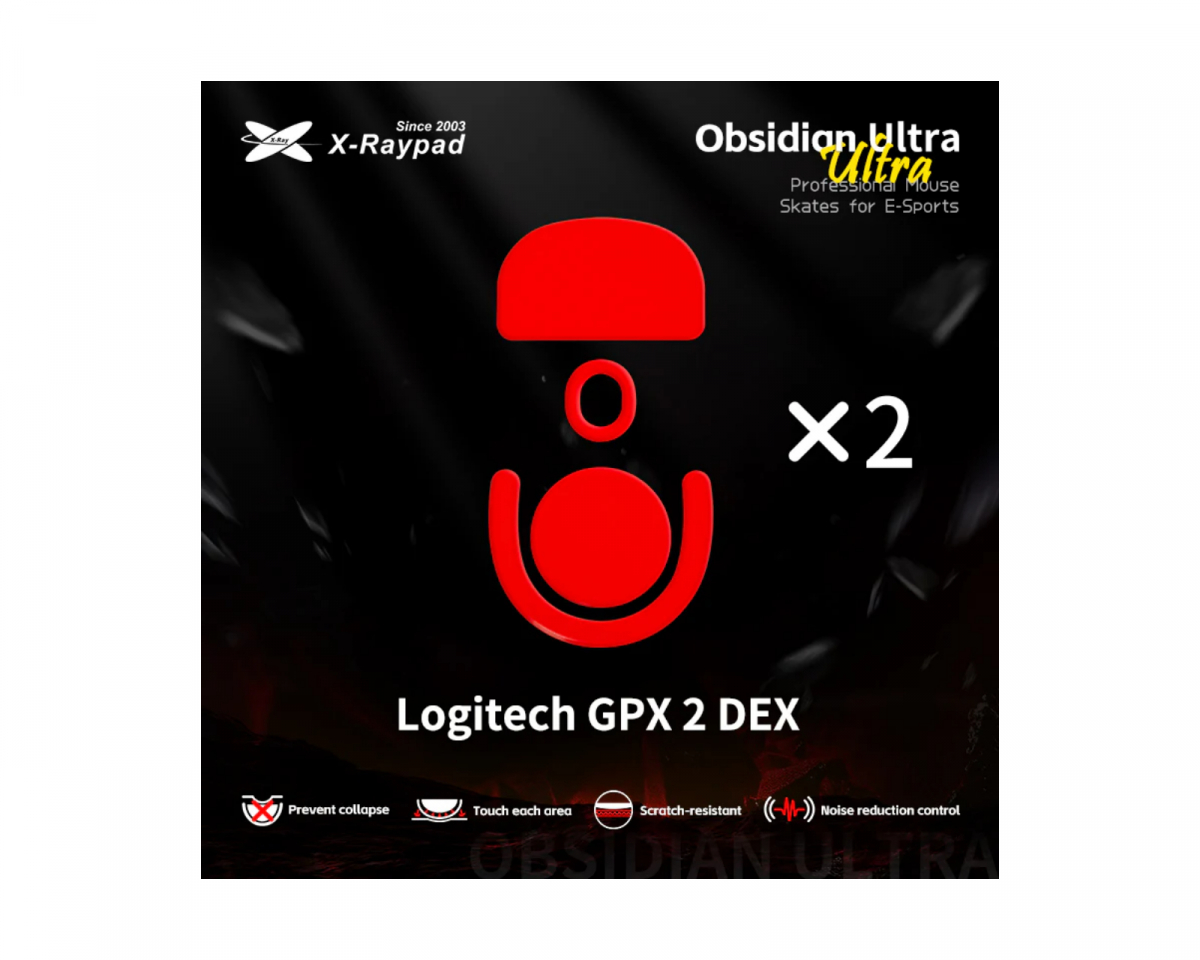
When you are executing trades during high volatility, muscle memory and tactile feedback matter. A mechanical keyboard with a clear actuation point reduces the chance of typos in contract addresses or amounts. Pair this with a high-precision mouse. For those who use Logitech G Pro X 2 DEX or similar ergonomic tools, accessories like X-raypad Obsidian Ultra Skates can reduce friction and improve tracking accuracy, ensuring your cursor moves exactly where you intend it to.
Software: The command center
Your browser and extensions are your interface to the blockchain. Use a dedicated browser profile for trading, separate from your personal browsing. This isolates cookies and cache, reducing the risk of session hijacking. Tools like Rabby Wallet or MetaMask are common, but always verify the contract addresses you interact with using a block explorer like Etherscan or Solscan before signing any transaction. Never trust a prompt blindly.


As an Amazon Associate, we may earn from qualifying purchases.
No comments yet. Be the first to share your thoughts!