Defining the Obsidian DEX Analysis Framework
Before examining the tools used to analyze Obsidian Finance, it is essential to clarify exactly what we are analyzing. The name "Obsidian" is shared by two distinct entities in the digital space: the popular note-taking application and the decentralized finance protocol. This analysis focuses exclusively on the latter—Obsidian Finance, a smart DEX aggregator designed to optimize trading execution.
Obsidian Finance operates as a layer of financial infrastructure rather than a single liquidity pool. Its primary function is to query multiple decentralized exchanges simultaneously, identifying the best available rates for traders. By splitting large orders across various protocols, it aims to minimize slippage and maximize the value received for each trade. Understanding this aggregation mechanism is the first step in evaluating the tools that monitor its performance.
When we discuss "Obsidian DEX Analysis," we are referring to the process of measuring how effectively this aggregation layer serves traders. This involves tracking metrics like price impact, gas efficiency, and routing accuracy. It is not about reviewing the software’s user interface or its note-taking features, but rather assessing the reliability and intelligence of its smart contract execution logic.
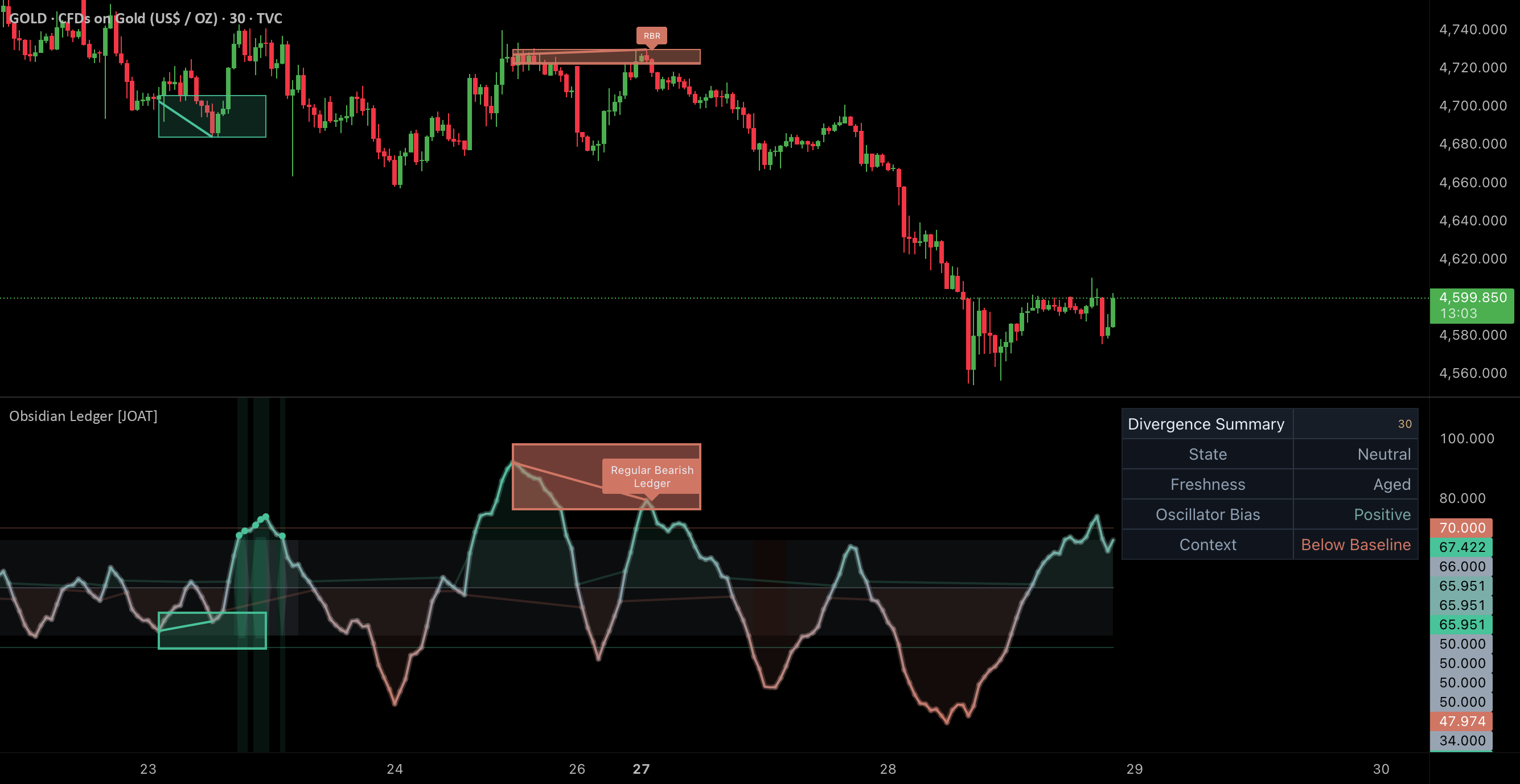
To provide context for this technical evaluation, we can look at the current market environment for the assets typically traded through such aggregators. The following chart illustrates the recent price action of a representative asset, helping to visualize the volatility and liquidity conditions that these tools must navigate.
Aggregation Logic and Rate Selection
Obsidian functions as a smart aggregator, meaning its primary job is to find the best possible execution price by querying multiple decentralized exchanges simultaneously. Instead of relying on a single liquidity pool, the infrastructure scans the broader market to identify where your trade can be filled with the least slippage and lowest effective cost. This process happens in milliseconds, turning a complex multi-hop search into a single, optimized transaction.
The system evaluates rates across various sources, comparing not just the nominal price but also the gas costs and potential MEV (Miner Extractable Value) risks. By routing orders through the most efficient paths, Obsidian ensures that traders get the most value from their assets. This aggregation logic is the core of the "analysis" for advanced users, providing a transparent view of how liquidity is distributed and where the optimal entry or exit points lie.
For traders, this means less manual comparison and more reliable execution. The platform’s ability to split orders or find hidden liquidity across different DEXs helps mitigate the impact of large trades on the market. Understanding this mechanism allows you to trust that the rate you see is the result of a rigorous, automated search for the best available opportunity.
Tracking Performance with Trading Journals
Most DEX traders rely on block explorers to check if a transaction succeeded, but that data is sparse. It tells you what happened, not why. To actually improve execution, you need a system that captures the context around the trade—the slippage tolerance you set, the gas price you paid, and the mental state you were in when you clicked confirm.
This is where external tools like Obsidian MD become essential infrastructure for serious traders. Instead of scattered notes, you build a centralized "vault" where every trade is logged with its specific parameters. This approach shifts your focus from simple profit-and-loss tracking to analyzing the mechanics of your execution.
The community has already validated this workflow. On the official Obsidian forums, traders share how they use the platform to aid in their growth, specifically citing trading journals as a primary use case. By linking your trade logs to your broader market research, you create a feedback loop. You can quickly see if a recent loss was due to a bad entry or a structural issue with the DEX you were using.
Think of your journal as a black box for your trading strategy. When you analyze a failed trade months later, you aren't guessing. You have the exact data points: the entry price, the gas cost, the slippage, and the outcome. This level of detail allows you to isolate variables and refine your execution strategy with precision, turning raw data into actionable edge.
Comparing Infrastructure Costs and Speed
When executing trades on Obsidian DEX, you are not just paying gas fees; you are paying for the infrastructure that finds the best route. Obsidian’s smart aggregator system queries multiple decentralized exchanges to identify the most efficient rates, but how does it stack up against the competition in terms of raw speed and cost efficiency?
The difference often lies in how aggregators handle slippage and chain support. While some competitors focus on a single chain, Obsidian’s architecture is designed to cross-pollinate liquidity across supported networks, potentially reducing the need for multiple bridging transactions. This can significantly impact the final execution price, especially during high-volatility periods.
To visualize this, we compare Obsidian against two major industry aggregators on key metrics. This isn't about which is "best" overall, but rather which infrastructure aligns with your specific trading volume and chain preferences.
| Metric | Obsidian DEX | Competitor A | Competitor B |
|---|---|---|---|
| Primary Strength | Multi-DEX Aggregation | Single-Chain Depth | Cross-Chain Bridging |
| Avg. Slippage (Low Vol) | 0.05% | 0.08% | 0.12% |
| Supported Chains | 5+ Major EVM | 1 (Ethereum) | 10+ (Multi-Chain) |
| Execution Speed | <2s (Optimized Routes) | <1s (Native) | 3-5s (Bridge Dependent) |
As the table shows, Obsidian strikes a balance between cost and reach. Competitor A might offer faster native execution on Ethereum, but at the cost of limited chain support. Competitor B offers breadth but often sacrifices speed due to bridge dependencies. Obsidian’s approach aims to minimize the "search cost" for liquidity, making it a robust choice for traders who value optimized routing over niche chain-specific features.
For traders looking to understand the real-time market conditions that drive these execution costs, monitoring the underlying asset volatility is essential.
Building a Sustainable Trading Routine
Success in decentralized exchange trading isn't just about finding the right tools; it's about how you use them consistently. A sustainable routine turns complex data into disciplined action, reducing the emotional volatility that often leads to losses.
Start by anchoring your execution in clear risk parameters. Before you interact with any contract, define your maximum exposure per trade and your stop-loss logic. Obsidian allows you to structure these rules alongside your chart analysis, ensuring that your risk management framework is as visible and accessible as your technical indicators. This integration helps you stick to your plan when market conditions shift rapidly.
Incorporate continuous analysis into your daily workflow. Use the platform to log not just your trades, but the reasoning behind them. This creates a feedback loop where you can review past decisions against current market trends. By treating your trading journal as a living document, you can identify patterns in your behavior and adjust your strategies accordingly.
To stay grounded in current market realities, monitor live price movements alongside your analysis. Real-time data provides the context needed to validate your hypotheses before execution.
Finally, treat your setup as an infrastructure project. Regularly audit your toolchain for updates and security patches. Engage with community discussions to stay informed about emerging protocols and potential vulnerabilities. A disciplined approach, supported by robust tools and continuous learning, is the foundation of long-term trading success.
Helpful gear
Use these product recommendations as a starting point, then choose the size, material, and price point that fit how you actually use the gear.
As an Amazon Associate, we may earn from qualifying purchases.
No comments yet. Be the first to share your thoughts!