Obsidian Finance platform overview
Obsidian Finance operates as a multi-chain DeFi hub built primarily around the Cronos blockchain. It functions as a smart DEX aggregator, a staking platform, and a launchpad for new token projects. The platform aims to streamline trading by sourcing liquidity from multiple decentralized exchanges to provide users with the best available rates.
At its core, Obsidian is designed to solve fragmentation in the Cronos ecosystem. By aggregating swaps, it reduces the need for traders to manually check multiple venues. The platform also supports staking, allowing users to earn rewards by locking assets. Additionally, the launchpad component provides a venue for new projects to raise capital and gain initial visibility.
The infrastructure relies on Cronos’s high throughput and low transaction costs. This makes it particularly suitable for high-frequency trading and frequent small transactions that might be prohibitive on more congested chains. The platform’s official site obsidian.finance serves as the primary interface for these services, emphasizing a unified experience for trading, staking, and launching.
While the ecosystem is currently anchored to Cronos, the multi-chain description suggests a broader architectural intent. However, current operational focus remains on providing a robust, low-slippage trading environment within that specific network. Users should verify the current chain support and contract addresses directly on the official platform before interacting.
How Obsidian Routes Liquidity
Obsidian Finance operates as a multi-chain DEX aggregator, designed to solve the fragmentation problem inherent in decentralized finance. Instead of forcing users to choose a single liquidity pool, the platform sources liquidity across multiple chains and protocols to find the best available prices. This aggregation logic is the core infrastructure that allows traders to achieve lower slippage, even when moving large volumes or trading less liquid assets.
The technical mechanism works by splitting orders across various decentralized exchanges. When you initiate a trade, Obsidian’s routing engine scans available pools in real-time. It calculates the most efficient path, often breaking a single large trade into smaller chunks that are executed across different venues. This approach minimizes the price impact that typically occurs when a large order depletes a single pool’s reserves. By distributing the trade, the system maintains tighter price stability and reduces the cost of execution for the user.
This routing capability is particularly important for cross-chain operations. Liquidity on one chain does not automatically flow to another. Obsidian bridges this gap by aggregating sources from different networks, effectively creating a unified liquidity layer. The result is a trading experience that feels like a centralized exchange in terms of price quality, while retaining the non-custodial nature of DeFi. The platform continuously updates its routing algorithms to adapt to shifting liquidity depths, ensuring that users always get the most competitive rate available at that moment.
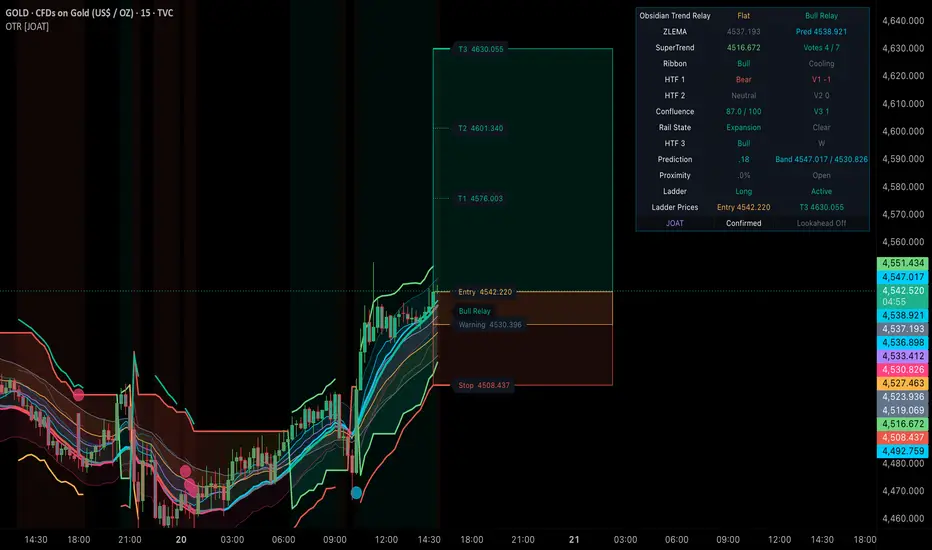
To understand the market context for these trades, it helps to look at the price action of major pairs traded on the network. The following chart illustrates the volatility and depth characteristics that aggregation tools like Obsidian must navigate to provide stable fills.
Slippage mitigation in volatile markets
Slippage is the silent tax on illiquid markets. When you trade a volatile asset, the price you see at the moment of click is rarely the price you get. Obsidian DEX addresses this through a combination of dynamic routing and intelligent order splitting. Instead of sending your entire order to a single liquidity pool, the protocol breaks it down into smaller chunks. This approach minimizes the impact on the market price, ensuring you receive a rate closer to the mid-market quote.
The core mechanism relies on splitting large orders across multiple liquidity sources. By fragmenting the trade, Obsidian reduces the depth required from any single pool, which directly lowers the slippage cost. This is particularly effective for larger positions that would otherwise move the market against themselves. The system evaluates the best available routes in real-time, selecting the path that offers the lowest total cost, including gas and price impact.
Static slippage tolerance settings are often a blunt instrument. A fixed percentage might work in calm markets but fail during high volatility. Obsidian’s dynamic routing adapts to current liquidity conditions. It adjusts the order size and split points based on the depth of the order book and the volatility of the asset. This flexibility ensures that trades are executed efficiently even when market conditions shift rapidly.
Understanding these mechanics is essential for traders who want to minimize costs. By leveraging these features, you can navigate volatile markets with greater precision. The goal is not just to execute a trade, but to execute it at the best possible price. Obsidian’s infrastructure is designed to make this the default outcome, rather than a lucky exception.
Multi-chain support and ecosystem integration
Obsidian Finance operates as a smart DEX aggregator, but its infrastructure is anchored primarily on the Cronos blockchain. While it markets itself as a multi-chain platform offering swaps, staking, and a launchpad, the operational reality is heavily concentrated. This centralization impacts how liquidity is routed and where slippage risks actually materialize for traders.
The platform’s cross-chain interoperability is designed to pull liquidity from various sources, but the depth varies significantly. When trading on less supported chains, the aggregator must bridge or wrap assets, which introduces latency and potential friction. For high-stakes trading, understanding which chains have genuine liquidity pools versus those that are merely supported on paper is critical.
The table below breaks down the key metrics for the primary supported environments. Note that Ethereum, while often cited in broader DeFi contexts, may not be a primary execution layer for Obsidian’s specific low-slippage strategies compared to Cronos.
| Chain | Primary Role | Liquidity Depth | Slippage Risk |
|---|---|---|---|
| Cronos | Core Execution | High | Low |
| Ethereum | Aggregation Source | Medium | Medium |
| Other L2s | Limited Support | Low | High |
Trading efficiency depends on this hierarchy. On Cronos, the direct integration allows for faster settlement and lower gas fees, which preserves your position size. On other chains, the aggregator acts as a middleman, searching for the best route. This adds a layer of complexity that can fail during high volatility.
Always verify the current supported chains on the official Obsidian Finance exchange page before executing large trades. The ecosystem is evolving, and relying on outdated multi-chain assumptions can lead to unexpected costs or failed transactions.
Trading checklist for optimal execution
Running a successful trade on Obsidian DEX requires more than just hitting swap. It demands a disciplined pre-flight routine to navigate multi-chain liquidity and minimize slippage. Treat this workflow like a cockpit check: skip a step, and the margin for error grows exponentially.
Before initiating any trade, confirm the target asset is available on your current network. Obsidian operates as a multi-chain aggregator, meaning liquidity varies by chain. Check the depth of the pool for your specific token pair. Thin liquidity increases the risk of price impact, so ensure the pool has sufficient volume to absorb your order size without excessive deviation.
Slippage settings are your primary defense against front-running and volatile price shifts. For stable pairs, a 0.1% to 0.5% tolerance is often sufficient. For volatile assets, increase this slightly to 1-2% to ensure transaction success, but never set it so high that you accept a bad rate. Obsidian’s aggregator logic works best when you give it a clear, tight boundary to optimize within.
Obsidian scans multiple liquidity sources to find the best rate. Always pause to review the suggested route and the final output amount. Look for any warnings about high price impact or MEV protection flags. If the quoted rate deviates significantly from your mental benchmark or other aggregators, reconsider the trade size or wait for market conditions to stabilize.
When you are ready, confirm the transaction. Ensure your wallet has enough native gas tokens to cover the network fee, especially if you are trading on a chain like Cronos or Ethereum where fees fluctuate. High gas prices can sometimes negate the benefits of a good swap rate. If the network is congested, consider adjusting your gas limit or waiting for a lower-traffic window to execute your trade.
Obsidian DEX: Infrastructure and Low-Slippage Strategy
Obsidian Finance aggregates liquidity across several networks, with its core value proposition lying in its ability to source the best rates for trades. By connecting multiple decentralized exchanges, it attempts to provide a unified interface for swapping assets, staking, and participating in new project launches. This aggregation aims to minimize slippage for users navigating volatile markets.
The infrastructure relies on aggregation algorithms to route orders efficiently. This approach can offer better pricing than single-DEX trades, particularly for larger volumes where liquidity fragmentation is a concern. However, the complexity of multi-chain routing introduces potential points of failure, such as bridge risks or network congestion delays. Traders must weigh these operational risks against the potential cost savings on gas and price impact.
While the platform promotes ease of use through its staking and launchpad features, the primary utility remains the DEX aggregation. Users should verify the specific chains supported and the depth of liquidity available for their target assets before committing significant capital. The platform’s effectiveness is highly dependent on the underlying liquidity sources it connects to, making real-time market conditions a critical factor in execution quality.
No comments yet. Be the first to share your thoughts!