Obsidian DEX infrastructure explained
The Obsidian DEX isn't just a trading interface; it is a specialized execution layer designed to handle high-frequency DeFi strategies with minimal slippage. Understanding its infrastructure means separating the underlying protocol mechanics from the user-facing tools. This distinction is critical for traders who need to know exactly where their orders go and how they are processed before they ever click "Swap."
At its core, the infrastructure relies on a custom-built matching engine that operates independently of traditional AMM pools. This allows for deeper liquidity aggregation and faster settlement times. The protocol layer handles the complex routing logic, ensuring that trades are executed across multiple venues to find the best price. Meanwhile, the user-facing tools provide the necessary controls to monitor these executions in real-time.
This separation of concerns is what gives Obsidian its edge in execution quality. By offloading the heavy lifting to the backend infrastructure, the frontend remains responsive and intuitive. Traders can focus on strategy rather than worrying about network congestion or failed transactions. The result is a more reliable trading experience, especially during periods of high market volatility.
To understand how this infrastructure performs in real-world conditions, it helps to look at live market data. The chart below shows the recent price action of the primary index token associated with the Obsidian ecosystem, providing context for how the DEX handles market movements.
Compare core execution tools
Obsidian’s infrastructure offers distinct execution methods depending on your trading style. Whether you need precise entry points, automated accumulation, or the best available market price, each tool serves a specific function within the ecosystem. Understanding these differences helps you avoid unnecessary slippage and fees.
Limit orders vs. DCA bots vs. Aggregators
Limit orders allow you to set a specific price for execution, ensuring you never pay more than your target. This is ideal for traders who want to buy dips or sell rallies without constant monitoring. DCA (Dollar Cost Averaging) bots automate entries over time, smoothing out volatility and removing emotional decision-making from the process. Aggregators scan multiple liquidity pools to find the most efficient route for your swap, minimizing slippage on larger trades.
| Feature | Limit Orders | DCA Bots | Aggregators |
|---|---|---|---|
| Best For | Precise entry/exit | Volatile markets | Large swaps |
| Slippage | None (if filled) | Low (averaged) | Minimized |
| Effort | Medium (monitor) | Low (set & forget) | Low (one click) |
| Cost | Standard fee | Subscription/fee | Standard fee |
Choosing the right instrument
If you are trading a stable asset or have a strict budget, limit orders provide the most control. For assets with high volatility, DCA bots help you build a position without timing the market perfectly. When executing larger trades, aggregators are essential to prevent significant price impact. Match the tool to your strategy rather than defaulting to a single method.
Strategies for volatile market conditions
Volatility in decentralized exchanges is often viewed as a risk, but for active traders, it is the primary source of alpha. The Obsidian infrastructure is built to handle these spikes without the slippage penalties that plague legacy AMMs. When the market moves fast, your execution strategy needs to shift from passive holding to active, precise entry and exit management.
Leverage real-time volatility data
Speculation without data is just gambling. Obsidian provides direct access to live volatility metrics, allowing you to gauge market depth and potential slippage before you sign a transaction. Instead of guessing where the price will go, you react to the actual liquidity available at that moment.
Use the live chart above to identify high-volume nodes. These areas often act as support or resistance during volatile swings. If you see volume drying up while price is moving, it’s a sign of weak conviction, and you should adjust your position size accordingly. Do not trade against the volume.
Optimize execution timing
The core advantage of Obsidian is its ability to split large orders across multiple liquidity sources. During high volatility, a single large market order can devastate your entry price. By breaking your order into smaller chunks and executing them during low-volatility micro-intervals, you preserve capital.
Timing is everything. Avoid executing trades during major macroeconomic announcements or when other major DEXs are experiencing network congestion. Use the Obsidian dashboard to monitor network latency and gas fees. If fees are spiking, it’s often a sign of high retail activity, which can lead to worse execution prices for large orders.
Manage risk with automated safeguards
In a volatile market, emotions can lead to catastrophic losses. Obsidian offers automated risk management tools that allow you to set hard stops and take-profit levels that execute instantly, regardless of your screen time.
Use these safeguards to protect your downside. Set a stop-loss that reflects the asset’s natural volatility, not just a random percentage. If an asset typically moves 5% in a day, a 1% stop-loss will likely get you stopped out by noise. Give your trades room to breathe, but never let a small loss become a large one.
Setting up your trading workflow
Before you place your first trade, you need a reliable execution environment. A fragmented setup leads to missed opportunities and higher slippage. We will walk through the specific steps to connect your wallet, configure the Obsidian DEX interface, and verify your trading parameters.
Start by connecting your Web3 wallet to the official Obsidian DEX interface. Always verify the URL to avoid phishing sites. Once connected, ensure your wallet is on the correct network supported by the DEX. A successful connection is the foundation of your workflow.
Navigate to the settings gear icon in the DEX header. Set your slippage tolerance based on the volatility of the asset you are trading. For stable pairs, a low slippage (0.1-0.5%) is sufficient. For volatile assets, increase it to prevent failed transactions, but beware of MEV bots.

Use the live market widgets to confirm current prices and liquidity depth before trading. This step prevents you from entering a trade with insufficient liquidity, which can result in significant price impact. Always check the spread between the bid and ask prices.

Execute a small test transaction to verify that your gas settings and wallet connection are working correctly. This "dry run" helps you understand the transaction speed and fees on the Obsidian network without risking significant capital.
Recommended tools and resources
Execution on Obsidian DEX requires reliable infrastructure. Your setup should prioritize speed, security, and data accuracy. Below are the essential tools to support your trading workflow.
Hardware security
A hardware wallet is non-negotiable for DeFi. It keeps your private keys offline, protecting your assets from exchange hacks or malware. Use a Ledger or Trezor for all significant holdings.
Market data and charts
Real-time data is critical for timing your entries. Use the live widget below to monitor Obsidian DEX price action and volume trends. Don't rely on stale screenshots.
Trading accessories
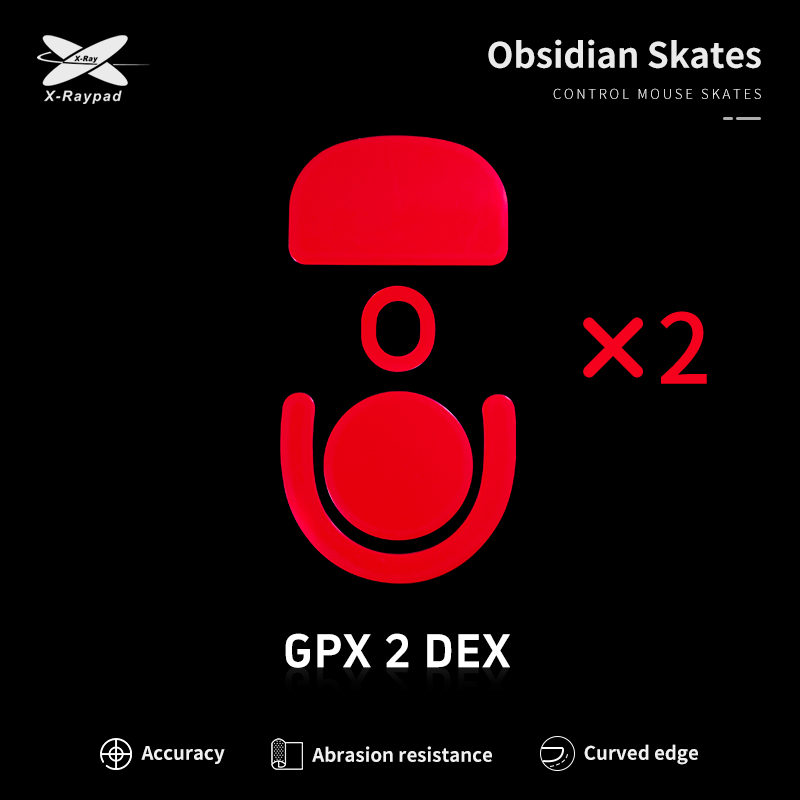
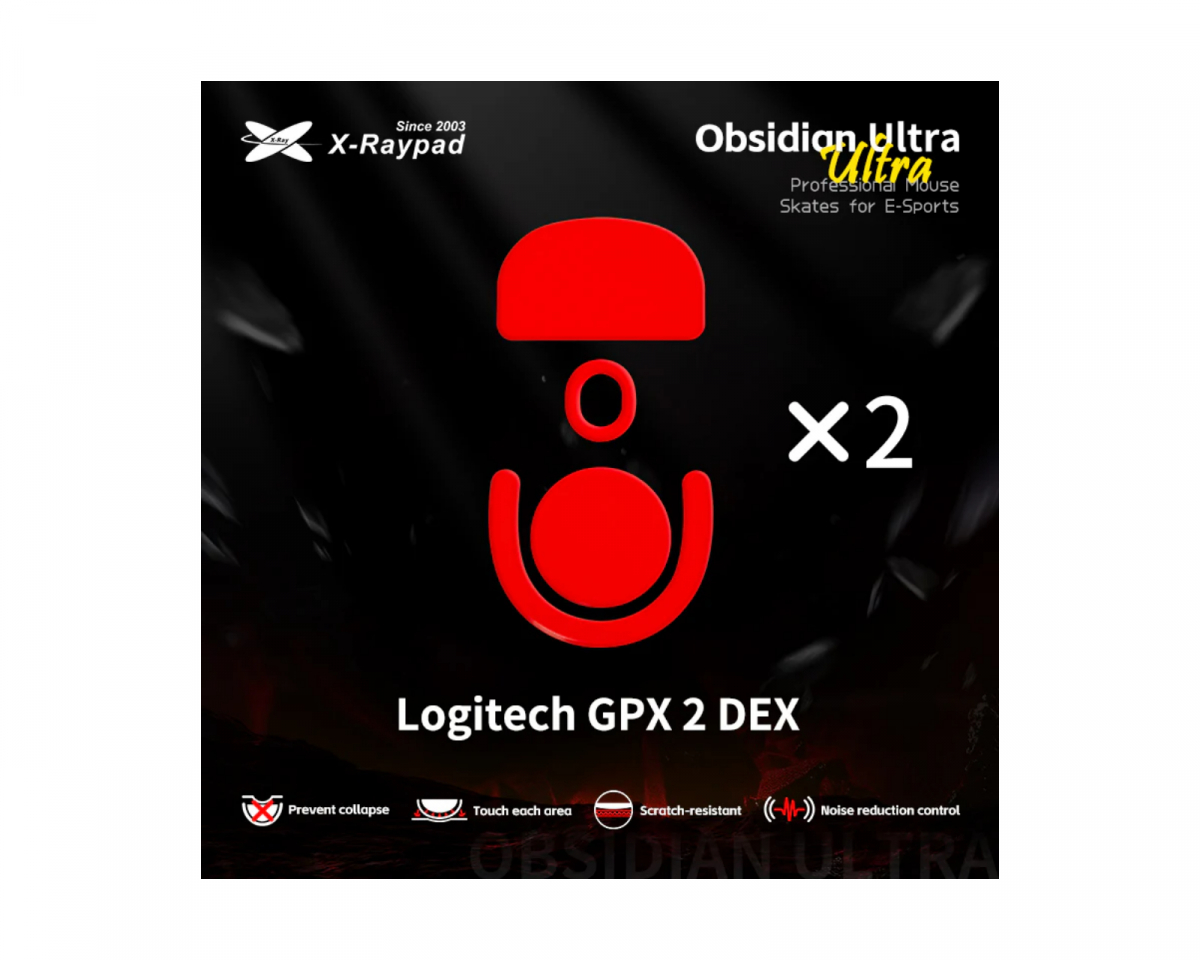
Comfort and ergonomics matter during long trading sessions. A high-quality mouse reduces strain and improves precision. The X-Raypad Obsidian Control Mouse Skates are a popular choice for DEX traders using the G PRO X SUPERLIGHT 2.


As an Amazon Associate, we may earn from qualifying purchases.
Official resources
Always verify smart contract addresses on the official Obsidian DEX documentation. Avoid clicking links from unofficial forums. Bookmark the official Discord for real-time support and announcements.
No comments yet. Be the first to share your thoughts!