Obsidian DEX Analysis: Platform Overview
Obsidian Finance operates as a smart DEX aggregator built primarily for the Cronos blockchain. Its core value proposition is simple: it scans multiple liquidity sources to find the best possible rates for traders, while offering a staking mechanism and a launchpad for new projects within the same ecosystem.
The platform is designed to solve the fragmentation problem common in decentralized finance. Instead of forcing users to check individual exchanges for the best price, Obsidian routes trades through its aggregator to minimize slippage and maximize returns. This infrastructure makes it a central hub for both trading and earning rewards on the Cronos network.
For traders looking to participate in this ecosystem, security is paramount. Using a hardware wallet to manage your assets is the standard practice for protecting your holdings against online threats. For those new to secure storage, the Ledger Nano X and Trezor Model T are widely recommended options for keeping your crypto assets safe.


As an Amazon Associate, we may earn from qualifying purchases.
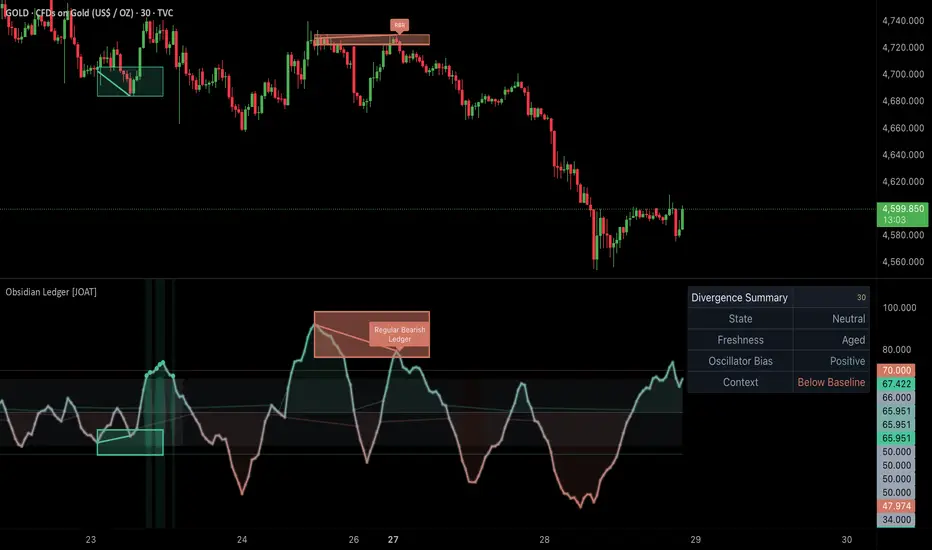
To understand the market context for the tokens traded on Obsidian, it helps to look at the broader performance of the Cronos ecosystem and the assets involved. The following chart and price widgets provide live market data for relevant assets, helping you gauge the current sentiment and volatility.
How the Aggregation Engine Routes Trades
Obsidian Finance operates as a smart DEX aggregator, meaning it doesn't just offer a single trading pair. Instead, it acts as an intelligent router that scans multiple liquidity pools across the Cronos blockchain to find the best possible price for your swap. This mechanism is designed to minimize slippage and maximize yield by splitting your trade across the most efficient paths available.
When you initiate a swap, the engine evaluates the depth of liquidity in various pools. If a single pool doesn't have enough volume to fill your order without significantly moving the price, Obsidian breaks the transaction into smaller parts. It routes these parts through different pools, effectively stitching together the best rates to ensure you get the most tokens for your investment. This process happens automatically in the background, requiring no manual intervention from the user.
The aggregation logic prioritizes two main factors: price efficiency and transaction cost. By comparing real-time data from multiple sources, the system identifies the path that offers the lowest effective price after accounting for fees. This is particularly important on the Cronos network, where liquidity can be fragmented across different protocols. The aggregator consolidates this fragmented liquidity, providing a seamless experience that rivals centralized exchanges while maintaining the non-custodial nature of DeFi.
To visualize the market context in which these trades occur, you can monitor the live price action of the primary assets traded on the platform.
The infrastructure behind this aggregation is built to handle high-frequency trading without compromising speed or accuracy. It leverages the Cronos blockchain's architecture to ensure that transactions are processed quickly and securely. This technical foundation allows Obsidian to offer a reliable trading experience, even during periods of high market volatility. By focusing on efficient routing and deep liquidity integration, Obsidian aims to provide a superior alternative to traditional DEX interfaces.
For users prioritizing security while interacting with these DeFi protocols, using a hardware wallet is a recommended best practice. This ensures that your private keys remain offline and secure during transactions.


As an Amazon Associate, we may earn from qualifying purchases.
Execution tools and infrastructure
Obsidian Finance operates as a multi-chain DeFi platform that aggregates liquidity across networks. For traders, the interface is divided into three primary utilities: the DEX aggregator for swapping, staking mechanisms for yield, and a launchpad for new project allocations. Understanding how these tools interact is essential for managing execution strategy and risk.
The DEX aggregator is the core trading engine. It scans multiple decentralized exchanges to find the best rates for your token swaps. This tool is vital for minimizing slippage and maximizing output, especially in volatile markets. Users can execute trades directly through the interface, which handles the routing automatically.
Staking provides a way to earn rewards on idle assets. By locking tokens in the protocol, users can generate yield. This tool is less about active trading and more about capital efficiency. It fits into a broader strategy by allowing users to earn passive income while waiting for market opportunities.
The launchpad feature allows users to participate in new token sales. This is a high-risk, high-reward tool. Early access to projects can lead to significant gains, but it also carries the risk of project failure. Users should approach this tool with caution and only allocate capital they are willing to lose.
To understand the current market context, here is the live price data for the primary asset:
Tool comparison and risk profile
The following table compares the utility and risk/reward profile of the main tools available on the platform.
| Tool | Primary Use | Risk Level | Return Type |
|---|---|---|---|
| DEX Aggregator | Token Swapping | Medium | Trade Efficiency |
| Staking | Yield Generation | Low-Medium | Passive Yield |
| Launchpad | New Token Access | High | Capital Appreciation |
Hardware wallet recommendations
For secure execution, consider using a hardware wallet to store your assets. This adds an extra layer of security against online threats.


As an Amazon Associate, we may earn from qualifying purchases.
Where the Liquidity Comes From
Obsidian’s liquidity model relies on aggregating deep pools across multiple chains rather than relying on a single centralized order book. According to DappRadar, the platform functions as a multi-chain DEX aggregator, meaning it scans various decentralized exchanges to find the best available rates for users. This approach minimizes slippage and ensures that capital is utilized efficiently, even during periods of high volatility.
The competitive landscape for DEX aggregators is crowded, but Obsidian differentiates itself through its integration of staking and a launchpad for new projects. By keeping users within its ecosystem for yield generation and early-stage token access, it creates a sticky liquidity loop. This multi-faceted utility helps maintain deeper order books compared to standalone swap interfaces that offer only trading functionality.
To understand the current market context, it is useful to look at live price action and technical indicators for major assets traded on the platform. The following widget provides a real-time view of market trends, which directly impacts the liquidity depth and spread available to traders.
For traders managing significant positions, security is as important as execution speed. The following hardware wallets are widely recommended for securing the private keys associated with your liquidity positions.


As an Amazon Associate, we may earn from qualifying purchases.
Obsidian DEX Analysis: Key Takeaways
Obsidian Finance positions itself as a multi-chain DeFi aggregator, aiming to streamline trading, staking, and project launches. For traders, the primary value lies in its infrastructure reliability and execution efficiency across the Cronos blockchain and beyond. By aggregating liquidity, it seeks to minimize slippage and maximize fill rates, which is critical in volatile markets.
The platform’s architecture supports a "trade, stake, and earn" model, reducing the friction of moving capital between different DeFi primitives. This integration allows users to access yield opportunities without leaving the ecosystem, provided they trust the underlying smart contract security and the aggregator’s routing logic.
For those prioritizing security while interacting with these DeFi protocols, using a hardware wallet is a standard best practice. The following devices offer robust support for the tokens and networks involved in Obsidian’s ecosystem.


As an Amazon Associate, we may earn from qualifying purchases.
Live market context for the assets traded on Obsidian can be tracked below, providing real-time visibility into price action and volume trends.
Frequently asked questions about Obsidian Finance
Obsidian Finance is a multi-chain DeFi platform built on the Cronos blockchain. It functions as a smart DEX aggregator, allowing users to swap tokens across various liquidity pools for the best rates. Beyond swapping, the ecosystem offers staking opportunities and a launchpad for new projects, aiming to centralize trading, earning, and launching activities in one interface [1].
Is Obsidian Finance safe to use?
As with any DeFi protocol, security depends on the underlying smart contracts. Obsidian operates on the Cronos network, which provides its own layer of security. Users should always verify the official URL and contract addresses through trusted sources like DappRadar before connecting wallets [2]. Never share private keys or seed phrases with any platform.
How does Obsidian differ from other DEXs?
Unlike single-chain DEXs, Obsidian aggregates liquidity from multiple sources within the Cronos ecosystem. This reduces slippage and improves execution prices for traders. It also integrates staking and launchpad features directly into the trading interface, offering a more comprehensive experience for active DeFi participants.
What tokens can I trade on Obsidian?
Obsidian primarily supports tokens native to the Cronos blockchain. This includes the native CRO token and various ERC-20 compatible assets deployed on Cronos. The platform updates its supported token list regularly, so checking the live interface is the best way to see current options.
Can I earn rewards by using Obsidian?
Yes. Obsidian offers staking pools where users can lock tokens to earn yield. Additionally, the launchpad feature often provides early access to new project tokens, which can include allocation rewards for early supporters. Always review the specific terms of each staking or launchpad event, as APYs and lock-up periods vary.
No comments yet. Be the first to share your thoughts!