Obsidian DEX infrastructure overview
The Obsidian DEX ecosystem is split into two distinct layers: the native chain infrastructure and third-party aggregation services. Understanding this separation is essential for evaluating execution quality and liquidity depth in 2026.
The native infrastructure is built by Obsidian Labs. It provides a dedicated decentralized exchange for OBS and core ecosystem tokens. This layer focuses on deep liquidity pools specific to the chain’s assets, ensuring that primary trading pairs have the depth required for institutional-grade execution. The goal is to minimize slippage for high-volume trades within the native environment.
Beyond the native chain, Obsidian Finance operates as a smart aggregator. Rather than holding liquidity itself, this system queries multiple decentralized exchanges to identify the best available rates. It routes orders across various venues to optimize pricing for traders. This approach allows users to access fragmented liquidity without manually checking individual DEXs.
The distinction matters because native infrastructure offers stability for core assets, while aggregation provides price efficiency across the broader market. Traders often use both: relying on the native DEX for primary OBS pairs and the aggregator for altcoin swaps where liquidity might be thinner elsewhere.
This dual-layer structure aims to balance the need for deep, stable liquidity with the flexibility of cross-venue price discovery. As the ecosystem matures, the interaction between these two components will likely define the overall trading experience on Obsidian.
Liquidity and execution mechanics
The Obsidian DEX infrastructure relies on a dual-layer approach to handle order routing and minimize slippage. Rather than relying on a single pool, the system distinguishes between native execution on the Obsidian Chain and aggregated routing through Obsidian Finance. This separation allows traders to choose between direct ecosystem settlement and broader market access depending on volatility and volume.
Native vs. Aggregated Execution
The core difference lies in where the liquidity lives. Native execution settles directly on the Obsidian Chain, ensuring deep liquidity for OBS and core ecosystem tokens without intermediate hops. In contrast, the Obsidian Finance aggregator queries multiple external decentralized exchanges to identify the best available rates. This smart routing is essential for tokens with thinner order books, preventing the slippage that often plagues single-venue trading.
| Feature | Native Obsidian Chain DEX | Obsidian Finance Aggregator |
|---|---|---|
| Primary Liquidity | Deep pools for OBS and ecosystem tokens | Aggregated from multiple external DEXs |
| Execution Speed | Instant on-chain settlement | Slight latency for cross-venue routing |
| Slippage Protection | Optimized for high-volume pairs | Dynamic rate comparison across venues |
| Supported Pairs | Core ecosystem assets | Broader altcoin and stablecoin pairs |
Reducing Slippage Through Smart Routing
Slippage occurs when a trade moves the market price against the trader, a common issue in low-liquidity environments. By using Obsidian Finance’s smart aggregator, the system splits orders or routes them through the venue offering the tightest spread. This is particularly useful for larger trades where a single pool might not have sufficient depth. The result is a more predictable execution price, even during periods of high market volatility.
For traders focused on the core ecosystem, the native DEX offers the most direct path. For those seeking specific altcoins or stablecoins not deeply integrated into the native chain, the aggregator ensures they still get competitive rates. Understanding this distinction helps users avoid unnecessary costs and execute trades with greater precision.
Managing volatility with smart execution
High-volatility periods expose the cracks in standard routing. On the Obsidian DEX, the primary defense is Obsidian Finance, a smart aggregator that queries multiple decentralized exchanges to identify the best available trading rates. Instead of relying on a single liquidity pool, the system selects the most efficient path, reducing slippage when price action is erratic.
The infrastructure relies on deep liquidity within the native ecosystem to absorb shocks. By routing trades through Obsidian Labs’ planned 2026 DEX framework, traders benefit from consolidated liquidity for OBS and ecosystem tokens. This aggregation ensures that even during sharp price movements, the execution remains competitive compared to fragmented liquidity sources.
To track these dynamics, traders often monitor on-chain indicators. Visualizing the trend relay helps clarify entry and exit points during turbulent markets, providing a clearer view of the underlying momentum rather than just the noise of individual trades.
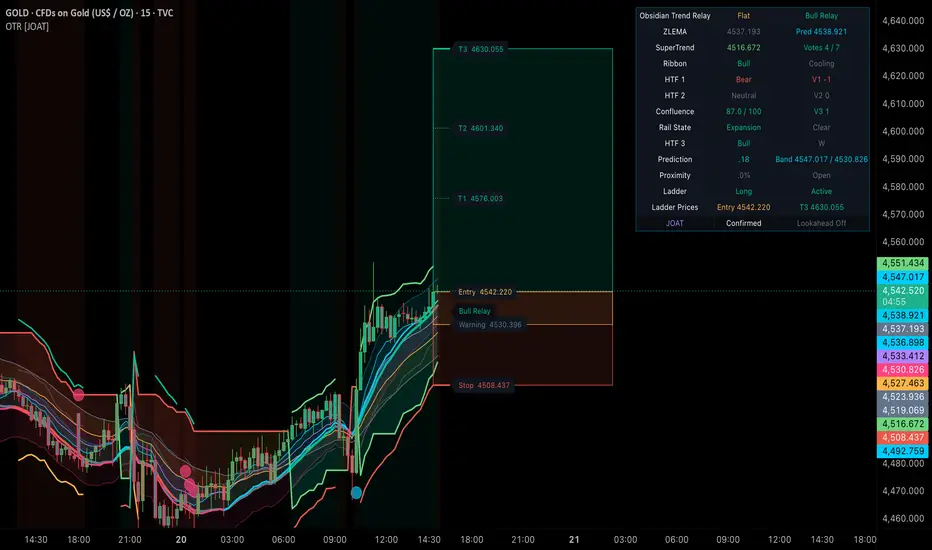
For real-time context, keeping a close eye on the OBS token price is essential. The current market value directly influences the aggregator’s routing decisions, making live data a critical tool for managing risk during high-stakes trades.
Strategic positioning for 2026
The Obsidian DEX is not an afterthought; it is the central nervous system of the ecosystem. Planned for launch in 2026, this native decentralized exchange will serve as the primary liquidity layer for OBS and the broader token portfolio. By integrating directly into the chain’s architecture, the DEX eliminates the friction of bridging assets across external protocols, ensuring that capital flows efficiently within the Obsidian ecosystem.
Deep liquidity is the primary target. Unlike fragmented liquidity pools on external DEXs that suffer from slippage and impermanent loss during high volatility, the native DEX will concentrate liquidity for core assets. This structural advantage provides traders with tighter spreads and more predictable execution, which is critical for maintaining confidence during market cycles.
This infrastructure shift marks a transition from a utility-focused chain to a self-sustaining financial hub. The launch of the native DEX signals that Obsidian Labs is prioritizing capital efficiency and user retention. As the ecosystem matures, this centralized liquidity layer will likely become the default venue for all OBS-denominated transactions, reducing reliance on third-party aggregators.
Before committing capital to the 2026 roadmap, traders should evaluate the following structural pillars:
- Native Integration: Verify that the DEX is built directly into the chain’s consensus layer, not bolted on as an external contract.
- Liquidity Depth: Assess the initial liquidity provisioning strategy to ensure it can handle significant trading volume without excessive slippage.
- Token Utility: Confirm that OBS is the primary settlement asset, reducing the need for complex swap routes.
-
Verify native DEX integration with the consensus layer
-
Assess initial liquidity provisioning depth
-
Confirm OBS as the primary settlement asset
-
Review governance model for protocol upgrades
The strategic value lies in control. By owning the execution layer, Obsidian Labs can optimize fees, manage risk parameters, and respond to market conditions without waiting for external protocol updates. This vertical integration is a significant competitive advantage in a crowded DeFi landscape.
Common questions about Obsidian DEX
Investors and developers frequently ask about the operational structure and limitations of the Obsidian ecosystem. Below are precise answers regarding ownership, technical constraints, and the distinction between the digital asset and the geological material.
Which company owns Obsidian?
Obsidian Chain is developed by Obsidian Labs, a decentralized technology group focused on blockchain infrastructure. The project operates as an independent entity dedicated to building the underlying layer for its native decentralized exchange (DEX) and smart contract platforms. For official governance details and team information, refer to the Obsidian Labs page.
What are the downsides of obsidian?
As a cryptocurrency, the OBS token faces standard high-risk market volatility and liquidity constraints typical of emerging DeFi protocols. The upcoming 2026 DEX launch aims to provide deep liquidity, but early adopters should note that smart contract risks and regulatory uncertainty remain inherent to the sector. Additionally, the ecosystem is currently in a developmental phase, meaning feature sets may evolve significantly before full mainnet maturity.
Can obsidian be mined in real life?
No. The digital OBS token is a blockchain asset and cannot be physically extracted. This question often arises from confusion with geological obsidian, a volcanic glass. Real obsidian was historically mined in volcanic regions, such as Japan during the Jōmon period or sites in Israel, but this natural material has no direct physical relationship to the digital token used in the Obsidian Finance ecosystem.
Who is the CEO of Obsidian?
Obsidian Chain operates with a decentralized governance model rather than a traditional corporate hierarchy with a single CEO. Decision-making power is distributed among token holders and core developers through on-chain voting mechanisms. For specific leadership roles or key contributors, consult the official Obsidian Finance documentation.
Helpful gear
Use these product recommendations as a starting point, then choose the size, material, and price point that fit how you actually use the gear.

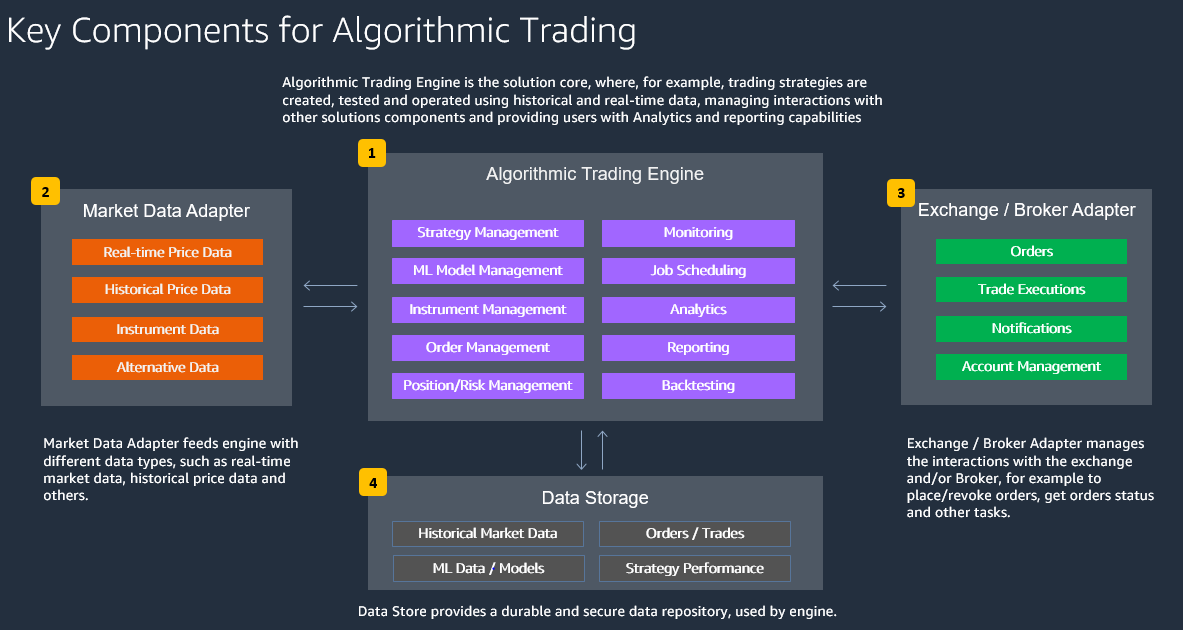
As an Amazon Associate, we may earn from qualifying purchases.
No comments yet. Be the first to share your thoughts!