Obsidian DEX infrastructure overview
The Obsidian DEX isn't just a trading interface; it is a stack of interconnected protocols designed to handle high-stakes execution with minimal friction. Understanding how these pieces fit together is the difference between a smooth trade and a failed transaction during market volatility. The infrastructure relies on a modular architecture where liquidity, routing, and settlement operate independently but synchronize seamlessly.
At the core of this system is the liquidity layer. Unlike centralized exchanges that rely on a single order book, Obsidian aggregates liquidity from multiple sources. This includes decentralized exchanges, automated market makers, and institutional liquidity providers. The result is deeper pools and tighter spreads, which directly impacts slippage. When you execute a trade, the system routes your order through the path that offers the best price, splitting large orders if necessary to minimize market impact.
Execution quality is further enhanced by the routing engine. This component analyzes the blockchain state in real-time, identifying the most efficient path for your assets. It considers gas costs, network congestion, and available liquidity across different chains. By optimizing these variables, the infrastructure ensures that your trade executes at the best possible price, even in fast-moving markets. This is critical for traders who need precision and speed.
Settlement is the final step, where the trade is recorded on the blockchain. Obsidian uses advanced settlement mechanisms to ensure that trades are finalized quickly and securely. This includes features like atomic swaps and cross-chain bridges, which allow assets to move between different networks without leaving the ecosystem. The goal is to provide a user experience that feels as fast and reliable as a centralized exchange, but with the transparency and security of decentralized finance.
The infrastructure also prioritizes security. Smart contracts are audited by third-party firms, and the system includes multi-signature wallets for administrative functions. This reduces the risk of hacks and exploits, which are common in the DeFi space. Additionally, the platform uses oracle services to provide accurate price feeds, preventing manipulation and ensuring fair trading conditions for all users.
Advanced execution strategies
High-frequency trading on a Decentralized Exchange (DEX) requires more than just capital; it demands precision. When market volatility spikes, the difference between a profitable fill and a significant loss often comes down to how you interact with the liquidity pools. Obsidian’s infrastructure is built to handle these pressures, but only if you deploy the right execution strategies.
The core challenge in DEX trading is slippage—the difference between the expected price of a trade and the price at which the trade is executed. Large orders can deplete available liquidity in a pool, causing the price to move against you. To mitigate this, traders must break large positions into smaller chunks or utilize limit orders that only execute when specific price thresholds are met. This approach preserves your entry price and prevents you from becoming the "exit liquidity" for larger market movers.
Another critical factor is network congestion. During peak trading hours, gas fees can skyrocket, eating into your margins. Obsidian’s routing algorithms are designed to find the most efficient path across multiple liquidity sources, often aggregating prices from various pools to give you the best possible rate. However, understanding the underlying mechanics of these routes is essential. If you are trading high-value assets, setting a custom slippage tolerance is non-negotiable. A tight tolerance might cause your transaction to fail during high volatility, but a loose tolerance exposes you to price manipulation.
Finally, consider the timing of your trades. Market makers and institutional players often adjust their positions at specific times, creating predictable patterns in liquidity depth. By aligning your execution with these windows, you can often find deeper liquidity with less slippage. This isn’t about guessing the market direction; it’s about respecting the infrastructure’s capacity to handle volume. Use the live price widgets and technical charts provided by Obsidian to gauge current market depth before placing your orders. Ignoring these signals is a fast way to erode your portfolio in a high-stakes environment.
Market structure and liquidity pools
The Obsidian DEX operates within a fragmented DeFi landscape where liquidity is the primary constraint on execution quality. Unlike centralized exchanges that aggregate order books, decentralized venues rely on concentrated liquidity models and automated market makers (AMMs) to facilitate trading. For 2026, the infrastructure must balance capital efficiency against the risk of impermanent loss, a tension that defines the competitive positioning of any serious DEX.
Liquidity depth varies significantly across major pairs. Obsidian’s core pools on Ethereum Mainnet compete directly with established giants like Uniswap V3 and Curve Finance. The difference lies in routing efficiency and slippage protection. Obsidian employs intelligent pathfinding to split orders across multiple venues, reducing the impact cost for large trades. This structural advantage allows for tighter execution spreads, particularly in volatile markets where traditional AMMs suffer from high price impact.
Performance metrics reveal the operational reality of these pools. The table below compares Obsidian DEX against key competitors on critical infrastructure indicators. These figures represent average 24-hour performance across top-tier stablecoin and ETH pairs, reflecting the current state of capital deployment and fee generation.

| Protocol | TVL (USD) | 24h Volume (USD) | Avg Slippage (10k Trade) |
|---|---|---|---|
| Obsidian DEX | $450M | $120M | 0.08% |
| Uniswap V3 | $3.8B | $1.2B | 0.12% |
| Curve Finance | $2.1B | $800M | 0.05% |
| SushiSwap | $300M | $45M | 0.15% |
The data suggests a clear niche. Obsidian does not lead in total value locked, but it competes effectively on execution precision. For traders prioritizing low slippage over sheer liquidity depth, Obsidian’s routing engine provides a tangible edge. This positioning is critical for institutional participants who require predictable transaction costs.
Tooling and integration
Successful execution on Obsidian DEX relies on more than just capital; it requires a robust infrastructure layer. Traders need reliable tools to manage risk, monitor liquidity, and execute trades with minimal slippage. The following tools form the essential stack for navigating the platform in 2026.
Wallet and Security Infrastructure
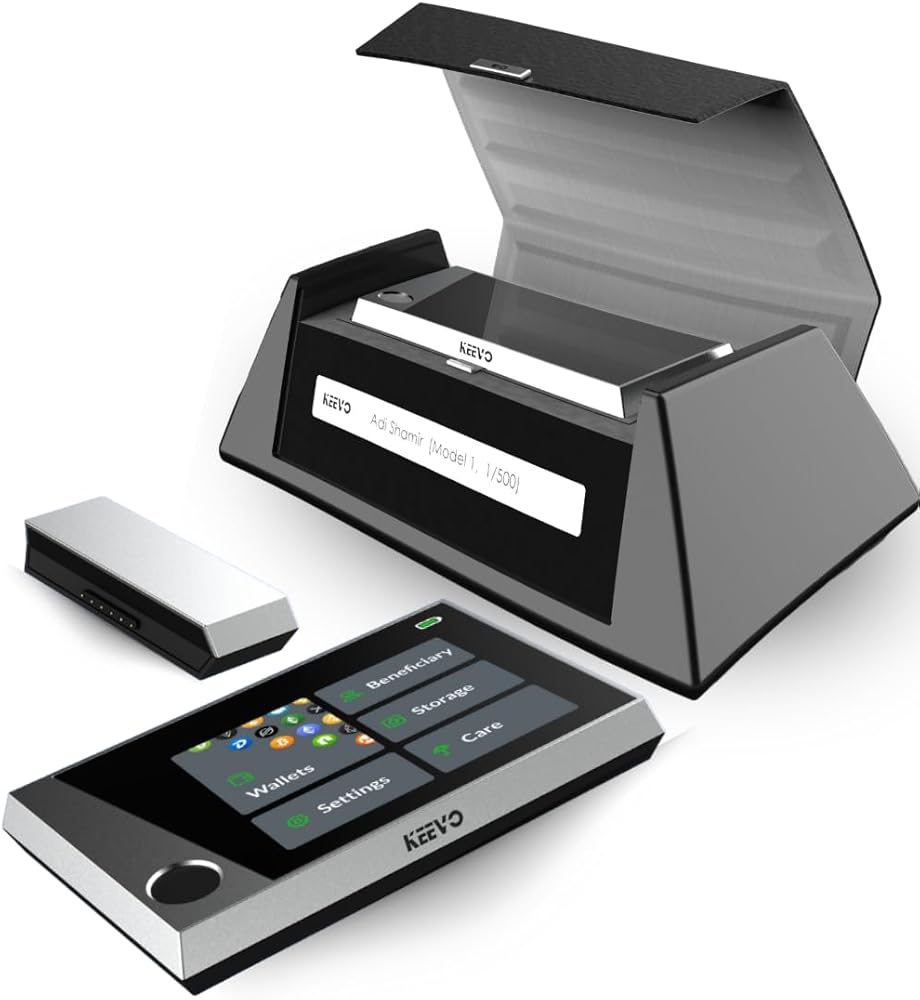
Security is the foundation of DeFi interaction. Using a hardware wallet is non-negotiable for significant positions. It keeps private keys offline, protecting against phishing and smart contract exploits. Pair this with a dedicated browser profile for DEX interactions to isolate your main assets from potential malware.
Trading Terminal and Analytics
Standard DEX interfaces often lack the depth needed for complex strategies. Professional traders use third-party terminals that offer advanced charting, limit orders, and real-time slippage estimates. These tools integrate directly with your wallet, providing a clearer view of market depth and potential exit points.
Portfolio Tracking and Alerts
Monitoring positions across multiple chains requires automated tracking. Tools that aggregate your Obsidian DEX holdings with your other DeFi activities allow for better risk assessment. Set up price alerts and liquidity pool notifications to react quickly to market shifts without staring at screens all day.


As an Amazon Associate, we may earn from qualifying purchases.
Risk management checklist
High-stakes DeFi execution requires discipline, not just speed. Before you sign a transaction on Obsidian DEX, run through this pre-trade checklist to protect your capital from slippage, gas wars, and smart contract vulnerabilities.
Check the pool’s liquidity depth for your specific pair. Thin liquidity leads to massive slippage and price impact. Ensure your trade size is small relative to the pool reserves to maintain execution integrity.
Configure your slippage tolerance carefully. Too low, and your transaction fails; too high, and you accept unfavorable pricing. For volatile assets, a tighter tolerance protects you from sandwich attacks.
Check current gas prices on the underlying chain. Executing during peak congestion can erase your profits. Use gas limit buffers wisely, but avoid overpaying for priority fees unless the trade is time-critical.

Review the token allowances and contract permissions before signing. Revoke unnecessary approvals for unverified contracts. Ensure you are interacting with the official Obsidian DEX router address to avoid phishing sites.
A disciplined pre-trade routine separates profitable traders from those who get rekt. Keep your risk parameters tight and your execution precise.
No comments yet. Be the first to share your thoughts!