Obsidian DEX infrastructure at a glance
Obsidian DEX is not a monolithic exchange but an intelligent aggregation layer built on the Obsidian Chain. It functions as a smart aggregator, querying multiple decentralized exchanges to identify and execute the best available trading rates. This architecture is designed to minimize slippage and maximize capital efficiency for traders who demand speed and precision.
The infrastructure relies on a modular design that separates execution logic from liquidity sourcing. By routing orders through the most efficient paths, Obsidian DEX reduces the friction typically associated with decentralized trading. This approach ensures that traders get institutional-grade execution without sacrificing the non-custodial nature of DeFi.
At its core, the system prioritizes low-latency execution. This means that from the moment a trade is initiated to the moment it is settled on-chain, the delay is minimized. For high-frequency traders and institutional participants, this latency reduction is critical, as it prevents front-running and ensures that the quoted price remains valid until execution.
Matching engine and latency design
Obsidian DEX separates the matching logic from the blockchain to achieve execution speeds that rival traditional centralized exchanges. The matching engine operates as a high-performance, in-memory order book. It processes limit and market orders with microsecond precision, maintaining a clear view of liquidity depth without the block-time delays inherent to on-chain settlement. This separation allows traders to interact with a responsive interface while the underlying chain handles the finality of the trade.
The engine relies on a robust RPC handling layer to maintain state consistency. By routing requests through optimized node providers, Obsidian minimizes the latency between user intent and order submission. The system prioritizes transaction ordering based on receipt time, ensuring a fair and predictable execution environment. This architecture reduces the risk of front-running and slippage, which are common pain points in slower decentralized networks.
To ensure data integrity, the matching engine periodically syncs its state with the Obsidian Chain. This process is handled asynchronously, allowing the engine to continue processing high volumes of trades without interruption. The result is a hybrid model that offers the speed of a centralized order book with the transparency and security of a decentralized ledger.
This infrastructure design is critical for high-stakes trading. Traders can execute complex strategies with confidence, knowing that the execution layer is optimized for speed and reliability. The combination of in-memory processing and efficient RPC handling creates a seamless experience that bridges the gap between traditional finance performance and decentralized finance security.
How Obsidian Routes Orders
When you trade on a decentralized exchange, you aren’t just trading against one pool. You’re trading against a fragmented landscape of liquidity. Obsidian’s infrastructure solves this by acting as a smart aggregator. Instead of sending your order to a single venue, the system queries multiple decentralized exchanges simultaneously to find the best available rate.
This aggregation logic is the core of low-latency execution. By splitting large orders across several venues, Obsidian reduces slippage—the difference between the expected price and the executed price. In volatile markets, this precision is critical. It ensures that traders get closer to the mid-market price, preserving capital that would otherwise be lost to inefficient routing.
To understand the impact, it helps to compare Obsidian’s aggregation model against standard Automated Market Maker (AMM) models like Uniswap V2. The table below highlights the operational differences in execution speed and slippage handling.
| Feature | Obsidian DEX | Standard AMM (e.g., V2) | Trader Benefit |
|---|---|---|---|
| Liquidity Source | Multi-venue aggregation | Single pool | Access to deeper liquidity pools |
| Slippage | Minimized via split routing | Higher on large orders | Better execution prices |
| Execution Speed | Optimized for low latency | Variable based on congestion | Faster fills in volatile markets |
| Rate Finding | Real-time best-rate query | Static pool formula | Consistent market parity |
This comparison illustrates why infrastructure matters as much as the protocol itself. By leveraging provider-backed widgets for real-time market data, Obsidian ensures that its routing decisions are based on live conditions, not stale quotes. This approach keeps the execution path clean and efficient, regardless of how chaotic the broader market gets.
Security posture and audit standards
In high-stakes trading, execution speed means nothing if the infrastructure breaks under pressure. Obsidian DEX infrastructure addresses this by layering low-latency execution with enterprise-grade security protocols. The system is designed to withstand the computational intensity of high-volume trading without sacrificing the integrity of the transaction ledger.
The foundation of this security is rigorous third-party auditing. Independent security firms conduct regular assessments of the smart contract code and the underlying chain infrastructure. These audits are not one-time events but continuous processes. Findings are shared for transparency, and any identified vulnerabilities are patched promptly before they can be exploited. This approach ensures that Obsidian Chain meets the highest security standards for institutional capital.
Protection against exploits is built into the execution engine. The infrastructure uses advanced consensus mechanisms that verify transactions in real-time, preventing common attacks like front-running or double-spending even during peak network congestion. For market participants, this means that the low-latency advantage is preserved within a secure, verified environment, reducing the risk of operational failure when it matters most.
Trading strategy for volatile conditions
In high-volatility environments, speed is the only edge that matters. Obsidian DEX infrastructure is engineered to minimize the time between intent and execution, but the strategy must adapt to the chaos. When markets swing, standard limit orders often fail due to slippage or latency gaps. Instead, traders should leverage the platform’s low-latency routing to execute trades instantly, ensuring that the price you see is the price you get.
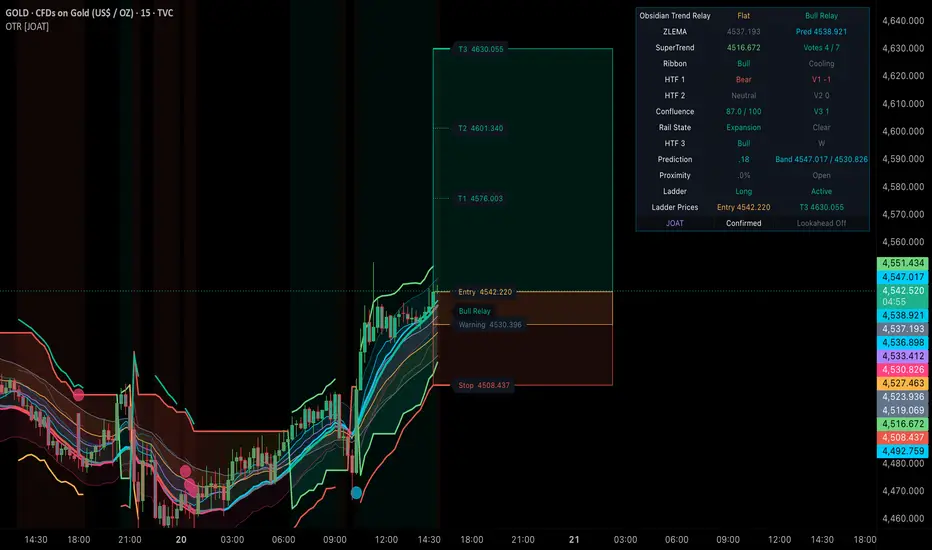
Consider the current market context. The following widget shows real-time volatility for a major asset. Use this data to gauge the depth of the order book before placing large trades. If the price is moving faster than your manual input, switch to pre-set algorithms that trigger on specific volatility thresholds.
The key to surviving volatile swings is aggregation. Obsidian DEX pulls liquidity from multiple sources, reducing the risk of partial fills. When the market is turbulent, this aggregation acts like a shock absorber, smoothing out the jagged edges of single-pool volatility. Traders should prioritize trades that utilize this aggregated liquidity rather than relying on isolated pools, which are prone to sudden, sharp price dislocations.
Don’t let fear dictate your exit. Use the low-latency feature to set stop-losses that trigger at the exact moment your risk tolerance is breached. In a fast-moving market, even a millisecond of delay can turn a manageable loss into a catastrophic one. Execute with precision, and let the infrastructure handle the heavy lifting.
Obsidian DEX Infrastructure FAQs
Because "Obsidian" is a common name in tech, it is easy to confuse the decentralized exchange with other major brands. Here are the specific distinctions and safety details relevant to the digital asset exchange.
No comments yet. Be the first to share your thoughts!