What Obsidian DEX Actually Is
In the 2026 DeFi landscape, Obsidian DEX has carved out a distinct role as a specialized execution layer rather than a generic aggregator. While many platforms simply route orders across multiple liquidity sources, Obsidian focuses on the mechanics of trade settlement. This distinction matters because it shifts the conversation from where liquidity exists to how it is accessed and executed with minimal friction.
The platform operates as infrastructure, providing traders with direct access to deep liquidity pools while abstracting away the complexity of cross-chain bridging and slippage management. Think of it less like a search engine for tokens and more like a high-speed rail network: the destination is the same, but the efficiency of the route determines the final cost and speed of the journey. This infrastructure-first approach allows for tighter control over trade execution, which is critical in a market where volatility can erase profits in seconds.
Obsidian DEX Analysis reveals that its value proposition lies in this specialization. By prioritizing execution quality over mere aggregation breadth, it serves professional traders and institutions who require predictable outcomes. The platform’s architecture is designed to minimize latency and maximize capital efficiency, addressing the pain points that often plague retail-focused aggregators.
This focus on infrastructure sets the stage for understanding its performance metrics. In the following sections, we will break down the technical components that make this execution layer effective, examining how it handles large orders, manages gas costs, and integrates with existing DeFi protocols. Understanding these mechanics is essential for anyone looking to leverage Obsidian DEX in their trading strategy.
How Obsidian Routes Trades
Latency is the invisible tax on every trade. In volatile markets, a delay of even a few hundred milliseconds can mean the difference between a filled order and a failed one. Obsidian DEX addresses this by optimizing the execution path, ensuring that trades move from the user’s wallet to the liquidity pools with minimal friction.
The routing mechanics are designed to handle slippage dynamically. Instead of relying on a single static path, the protocol evaluates multiple liquidity sources in real-time. It calculates the most efficient route to minimize price impact, which is critical when market conditions shift rapidly. This approach reduces the likelihood of partial fills or unfavorable execution prices.
For traders, this means the infrastructure works in the background to protect the trade’s integrity. The system prioritizes speed and accuracy, allowing users to execute strategies without worrying about the underlying network congestion or liquidity fragmentation. The result is a more predictable trading experience, even during high-volatility events.
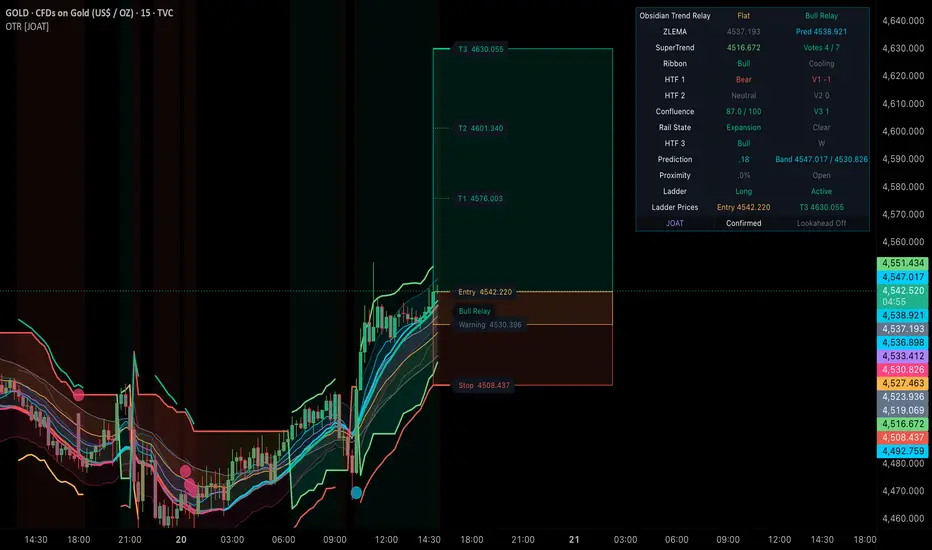
To see how this volatility handling plays out in practice, observe the price action of a major pair traded via Obsidian. The chart below illustrates how the market moves, highlighting the importance of low-latency execution to capture value without excessive slippage.
Comparing execution strategies
When evaluating Obsidian DEX analysis results, the primary differentiator is how the protocol handles liquidity routing compared to standard DEX aggregators. Most generic aggregators simply split orders across multiple pools to find the best price, but they often leave traders exposed to high slippage during volatile periods and MEV (Maximal Extractable Value) bots that front-run transactions.
Obsidian optimizes this process by prioritizing execution speed and cost efficiency. The infrastructure is designed to minimize the time between transaction submission and finality, which directly reduces the window for opportunistic bots to extract value. For traders concerned about hidden costs, this approach often results in better effective prices than standard routing methods, especially for larger orders.
The table below contrasts Obsidian’s execution model against standard aggregator behavior across key performance metrics.
| Metric | Obsidian DEX | Standard Aggregators |
|---|---|---|
| MEV Protection | Built-in front-running protection | Minimal or none |
| Slippage Sensitivity | Dynamic adjustment for volatility | Static slippage tolerance |
| Execution Latency | Optimized for speed | Variable, often slower |
| Cost Efficiency | Lower hidden costs | Higher gas and MEV costs |
While standard aggregators are useful for simple swaps in calm markets, they often fail when liquidity is fragmented or volatility spikes. Obsidian’s specialized execution layer addresses these gaps by providing a more robust infrastructure for serious trading. This makes it a preferred choice for users who prioritize reliability and cost control over basic price discovery alone.
Building a trading journal with Obsidian
Infrastructure doesn’t end at the protocol level. The real edge in an Obsidian DEX analysis often comes from how you track your own execution. Trading the Obsidian DEX is one thing; documenting why you took the trade is what turns noise into data.
Obsidian works as a local-first note-taking app, but for traders, it becomes a searchable ledger of your own biases. Unlike cloud-based journals, your vault stays on your machine, keeping your strategy private and your queries instant. You can link a trade log directly to a specific DEX feature—like slippage tolerance or MEV protection—and see patterns emerge over months.
The power lies in the back-linking. When you review a losing trade, Obsidian surfaces related notes from weeks ago. You might find a previous entry where you noted the same liquidity pool behavior, or a rule you wrote about avoiding low-liquidity pairs. This creates a feedback loop that pure spreadsheets can’t replicate.
One trader noted that in 71% of their losing trades, a note in their Obsidian vault already contradicted the entry thesis. That’s not luck; it’s the system working. The journal doesn’t just record history; it actively challenges your current assumptions.
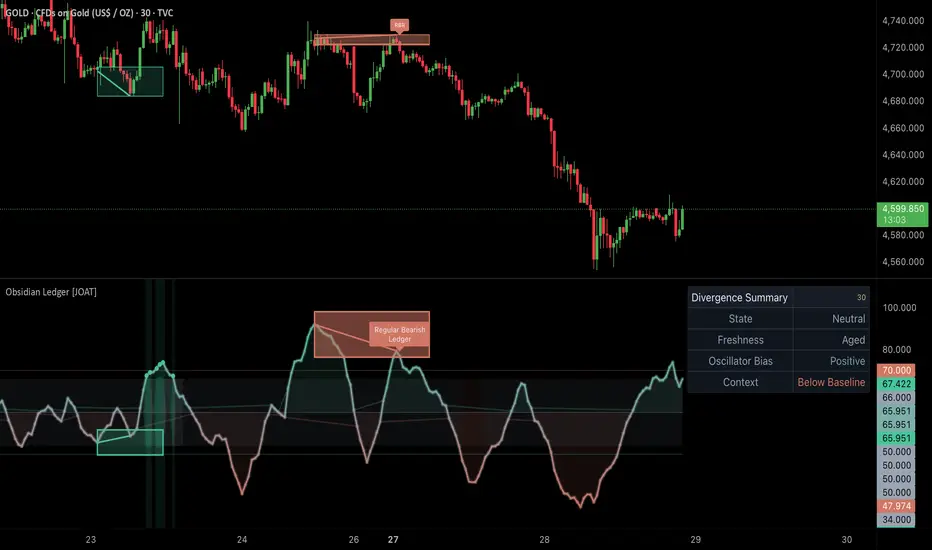
To make this work, you need a consistent tagging system. Use tags like #trade/long, #dex/obsidian, or #error/slippage. This allows you to run queries that isolate specific failure modes. Over time, your vault becomes a personalized research database, connecting your live execution with your broader market observations.
This approach shifts the focus from chasing alpha to managing risk. By treating your notes as first-class data, you transform Obsidian from a simple text editor into a critical component of your trading infrastructure.
Common execution pitfalls
Trading on decentralized exchanges introduces friction that centralized platforms often hide. In an Obsidian DEX analysis, we see that the primary risks aren't just market volatility, but structural inefficiencies like front-running and liquidity fragmentation. These issues can silently erode profits, turning a theoretically sound trade into a loss.
Front-running, often driven by Maximal Extractable Value (MEV), allows bots to insert transactions ahead of yours. If your trade is large, a bot might buy before you, driving up the price, and then sell immediately after, leaving you with a worse entry. This is not a bug; it is a feature of how public mempool ordering works on many chains.
Liquidity fragmentation is the second silent killer. When liquidity is spread across multiple pools or chains, your order might be split inefficiently, resulting in higher slippage. Obsidian’s infrastructure aims to mitigate these risks by aggregating liquidity and utilizing execution paths that minimize exposure to predatory bots.
Understanding these pitfalls is essential for any trader serious about DeFi. The difference between a successful trade and a failed one often comes down to the execution layer, not just the asset itself.
Obsidian DEX Analysis FAQ
Is Obsidian DEX a real DeFi protocol?
Yes. Obsidian DEX publishes research and infrastructure tools for DeFi trading. It is not the volcanic glass or the note-taking app. The protocol focuses on execution data and market structure analysis.
How does Obsidian DEX help with trading?
It provides tools to track execution quality and latency. Traders use the infrastructure to analyze slippage and MEV protection. This data helps refine entry and exit strategies in volatile markets.
Is Obsidian DEX safe to use?
As with any DeFi protocol, smart contract risk exists. Users should audit the code and understand the mechanics before depositing funds. The platform emphasizes transparency in its execution reports.
How do I get started with Obsidian DEX?
Visit the official site at obsidiandex.com. You can access their research guides and setup documentation there. Start by reviewing their execution metrics before connecting a wallet.
No comments yet. Be the first to share your thoughts!