What Is Obsidian Finance?
Obsidian Finance operates as a multi-chain DEX aggregator, designed to solve the fragmentation problem inherent in decentralized finance. Instead of forcing traders to manually check dozens of individual exchanges for the best price, Obsidian acts as a smart routing layer. It queries multiple decentralized exchanges simultaneously, identifying the most favorable trading rates across the entire ecosystem.
This infrastructure is critical because liquidity in DeFi is rarely concentrated in one place. By aggregating these fragmented pools, Obsidian reduces slippage and ensures that trades are executed at the most efficient price available. The platform’s smart aggregator system doesn’t just look at the highest volume pool; it calculates the optimal path, potentially splitting a single large trade across multiple protocols to minimize market impact.
For traders, this means less guesswork and better execution. Rather than relying on a single source of truth, Obsidian provides a unified interface that leverages the collective liquidity of the broader DeFi landscape. This approach not only saves time but also protects traders from the hidden costs of poor routing, such as excessive price slippage or failed transactions due to insufficient liquidity on a single chain.
How Obsidian Routes Liquidity
When you place a trade on a single decentralized exchange, you are often competing against a limited pool of capital. If your order is large, you risk moving the price against yourself—a problem known as slippage. Obsidian solves this by acting as a smart aggregator. Instead of relying on one liquidity source, it queries multiple decentralized exchanges simultaneously to find the optimal split and the best available rate.
The system works by breaking your trade into smaller chunks and routing them across different platforms. For example, if you are swapping ETH for USDC, Obsidian might send 40% of your order to Uniswap, 30% to SushiSwap, and 30% to Curve. By splitting the order, the system minimizes the impact on any single pool, ensuring you get a price closer to the market average rather than the worst available offer.
This process is not just about finding the cheapest route; it is about efficiency. The aggregator calculates gas costs, potential slippage, and execution time in real-time. It then selects the path that offers the highest net return after fees. This mechanical approach removes the guesswork from trading, allowing users to execute complex swaps with the confidence that they are receiving the most favorable terms available in the current market landscape.
Slippage mitigation in volatile markets
Slippage is the silent killer of arbitrage strategies and large limit orders. When market volatility spikes, the gap between your expected price and the executed price widens, often turning a profitable trade into a loss. Obsidian Finance addresses this through a multi-layered infrastructure that prioritizes liquidity depth and intelligent order routing over simple price matching.
At the core of this strategy is split-order execution. Instead of dumping a large order into a single liquidity pool, the system fragments the trade across multiple sources. This reduces the market impact on any single pool, ensuring that the average execution price remains closer to the mid-market rate. By distributing the order, Obsidian minimizes the slippage that typically accompanies high-volume trades in fragmented liquidity environments.
Liquidity depth is the other pillar of this mitigation strategy. Obsidian aggregates liquidity from various decentralized exchanges, creating a deeper pool of available capital. This depth allows for larger trades to be executed with minimal price impact. The system constantly monitors liquidity sources, dynamically adjusting the order split to maximize the available depth at any given moment.
For traders, this means that even in turbulent market conditions, the infrastructure works to protect capital by ensuring that trades are executed at the best possible prices. The result is a more predictable trading experience, where slippage is minimized, and profitability is preserved.
Multi-chain support and ecosystem integration
Obsidian Finance operates as a multi-chain DEX aggregator, designed to solve the fragmentation problem inherent in decentralized finance. By connecting to multiple blockchains, the platform allows users to access liquidity pools that would otherwise be isolated. This infrastructure is critical for reducing slippage, as it enables the aggregation of the best prices across different networks.
The supported blockchains include Ethereum, BNB Chain, Arbitrum, and Polygon. Each chain offers distinct advantages in terms of transaction speed and cost. For instance, Ethereum provides deep liquidity for major assets, while Layer 2 solutions like Arbitrum offer lower fees for frequent traders. Obsidian’s routing engine automatically evaluates these chains to determine the most efficient path for each trade.
Cross-chain liquidity access expands trading opportunities by allowing users to swap assets without manual bridging. The aggregator handles the complexity of finding the optimal route, whether that involves a single chain or a multi-hop strategy. This seamless integration ensures that traders can execute large orders with minimal market impact, preserving capital efficiency.
Trading checklist for optimal execution
Before placing a trade on Obsidian Finance, treat the interface like a routing engine rather than a simple swap button. The platform aggregates liquidity across multiple chains, but that power only works if you configure your parameters correctly. A single misconfigured setting can result in significant slippage or failed transactions, especially in volatile markets.
Start by verifying the network status. Obsidian operates across several chains, and liquidity depth varies by pair. Ensure you are connected to the correct chain where your target token has sufficient volume. This step is often overlooked but is critical for accessing the best rates.
Next, adjust your slippage tolerance. For stablecoin pairs, a low tolerance (0.05%–0.1%) is usually sufficient. For volatile assets, you may need to increase this to 1% or higher to account for price movement during the transaction. Obsidian’s interface allows you to set this manually; never rely on the default if the market is moving fast.
Finally, review the route details. Obsidian may split your trade across multiple pools to minimize impact. Confirm that the estimated output matches your expectations and that the gas fees are reasonable for the chain you are using. If the price impact is high, consider breaking the trade into smaller chunks.
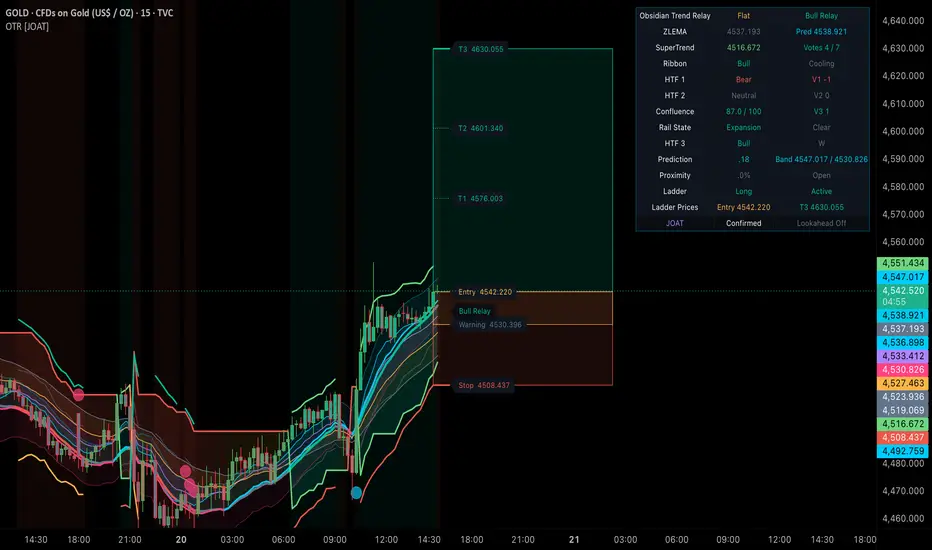
Community tools and trader workflows
Obsidian’s flexibility turns it into a central nervous system for traders who need to track execution details without the bloat of traditional CRM software. Rather than relying on rigid templates, traders build custom workflows that connect market data directly to their analysis. This setup allows for rapid iteration of strategies, where every trade decision is logged alongside the specific market conditions that triggered it.
The community has developed several plugins that streamline this process. For instance, users integrate CSV exports from exchanges with Dataview to create dynamic dashboards. These dashboards update automatically, showing win rates, average slippage, and PnL per asset. This real-time feedback loop helps traders identify patterns in their behavior that might otherwise go unnoticed in static spreadsheets.
Helpful gear
Use these product recommendations as a starting point, then choose the size, material, and price point that fit how you actually use the gear.


As an Amazon Associate, we may earn from qualifying purchases.
No comments yet. Be the first to share your thoughts!