What Obsidian Finance Is
Obsidian Finance operates as a multi-chain decentralized exchange (DEX) aggregator. Its primary function is to solve the fragmentation problem inherent in decentralized finance by routing trades across multiple liquidity sources. Instead of forcing users to manually search for the best rates on individual exchanges, Obsidian’s smart aggregator system queries various DEXs simultaneously to identify and select the most favorable trading rates.
This approach addresses a core inefficiency in the crypto market: liquidity is often siloed across different chains and protocols. By aggregating these disparate pools, Obsidian aims to provide users with deeper liquidity and tighter spreads. The platform’s infrastructure is designed to minimize slippage, which is critical for maintaining execution quality, especially during periods of high market volatility.
The value proposition is straightforward: better prices through smarter routing. For traders and liquidity providers, this means reduced transaction costs and improved capital efficiency. Obsidian Finance positions itself not just as another trading interface, but as an essential layer of infrastructure that connects the fragmented dots of the DeFi ecosystem.
How Obsidian routes liquidity
Obsidian operates as a smart liquidity aggregator, meaning it doesn't just look at one exchange to find you a price. Instead, it queries multiple decentralized exchanges (DEXs) simultaneously to identify the most favorable trading rates. This approach is essential in a fragmented market where liquidity is spread across many different pools.
The system works by breaking down your swap into smaller pieces if necessary. It then routes these pieces through various DEXs to minimize slippage and maximize the final output. This process happens in real-time, ensuring that you get the best possible rate without having to manually check each platform yourself.
By aggregating liquidity from multiple sources, Obsidian can offer tighter spreads and better execution prices. This is particularly important for larger trades, where moving a significant amount of tokens on a single DEX could result in substantial price impact. The aggregator ensures that your trade is executed efficiently, regardless of the size.
The underlying technology is designed to be transparent and efficient. It continuously monitors the state of various DEXs, updating its routing algorithms to reflect current market conditions. This dynamic approach allows Obsidian to adapt quickly to changes in liquidity and volatility, providing a more stable and reliable trading experience for its users.
For traders looking to optimize their swaps, understanding this routing mechanism is key. It explains why Obsidian can often offer better rates than using a single DEX directly. The system effectively acts as a middleman that does the heavy lifting of finding the best path for your trade, saving you time and potentially reducing costs.
Managing Slippage in Volatile Markets
Slippage is the difference between the expected price of a trade and the price at which the trade is actually executed. In decentralized finance, this gap widens significantly during periods of high volatility or when trading assets with low liquidity. For traders executing large orders, even a small percentage of slippage can erode profits or turn a profitable strategy into a loss.
Obsidian Finance addresses this by acting as a multi-chain DEX aggregator. Instead of routing trades through a single exchange, it splits orders across multiple decentralized exchanges to find the best available prices. This aggregation process minimizes price impact by accessing deeper liquidity pools and reducing the likelihood of moving the market against the trader. By optimizing the routing path, the infrastructure ensures that the execution price stays closer to the quoted rate.
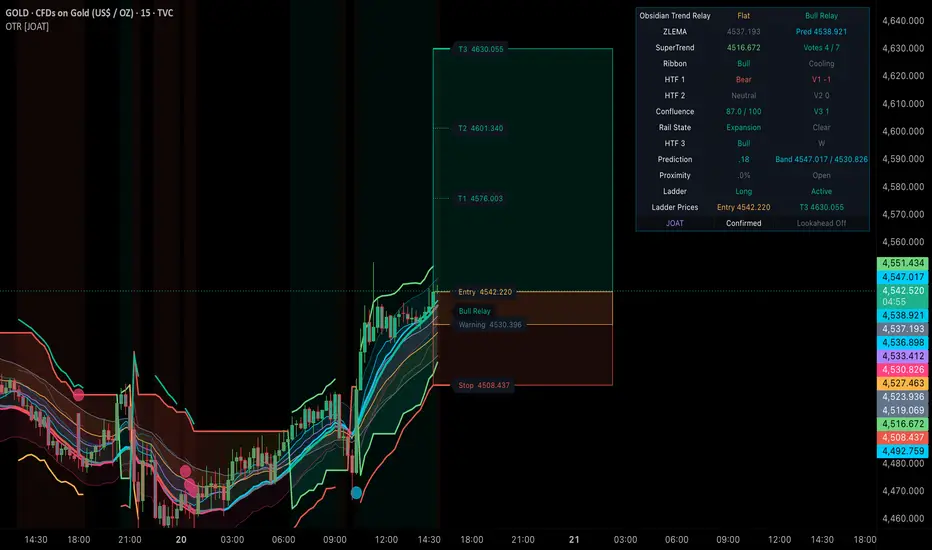
Understanding these mechanisms is essential for high-stakes trading. Traders should monitor live market data to gauge current volatility levels. The following chart illustrates recent price movements, which can help inform decisions on optimal entry and exit points.
Multi-chain support and ecosystem integration
Obsidian Finance operates as a multi-chain DEX aggregator, designed to solve the fragmentation problem inherent in decentralized finance [src-serp-2]. Instead of forcing users to manually bridge assets across different blockchains, the platform routes liquidity automatically. This integration allows traders to access deep pools on networks like Ethereum, BNB Chain, and Arbitrum without the friction of separate transactions.
The table below compares Obsidian’s supported chains and liquidity depth against standard single-chain DEXs. By aggregating orders, Obsidian reduces slippage on large trades, a common issue when trading on isolated networks.
| Feature | Obsidian DEX | Single-Chain DEX | Manual Bridging |
|---|---|---|---|
| Supported Networks | Multi-chain (ETH, BSC, ARB, etc.) | One network only | Required |
| Liquidity Sourcing | Aggregated across chains | Isolated to one chain | N/A |
| Slippage on Large Trades | Reduced via cross-chain routing | High due to fragmentation | Variable |
| User Workflow | One-click swap | One-click swap | Multi-step process |
This architecture means you can trade assets on any supported chain as if they were on the same network. The backend handles the routing, ensuring you get the best price by splitting orders across multiple venues. This is particularly useful for volatile assets where liquidity might be thin on a single chain.
For traders monitoring specific tokens, live market data is essential. The widget below shows real-time price action for a major asset, illustrating the kind of market depth Obsidian can access across chains.
Trading checklist for optimal execution
Using Obsidian effectively comes down to timing and settings. The platform’s routing logic is powerful, but it requires discipline to avoid slippage. Treat your execution like a precision instrument rather than a gamble.
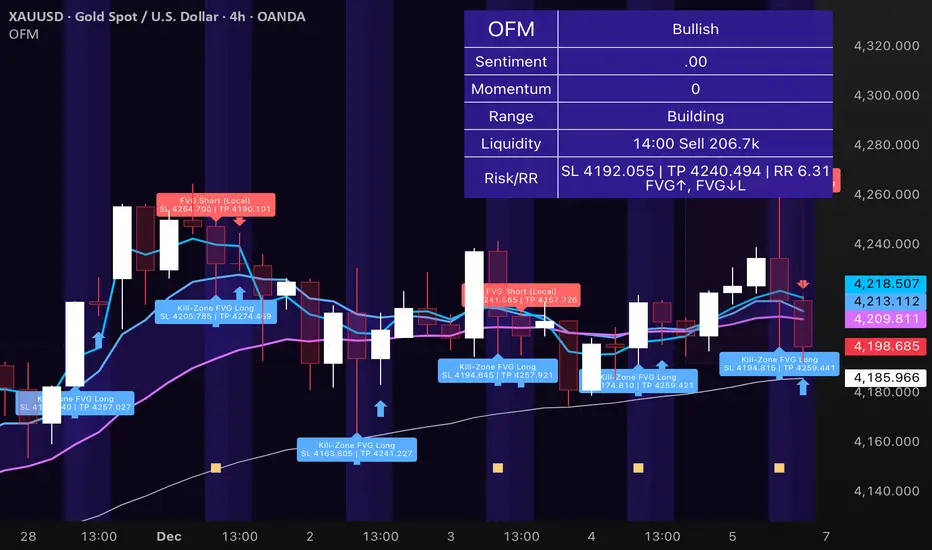
Start by checking the Obsidian Flux Matrix. This indicator visualizes liquidity depth across supported chains. If the matrix shows thin liquidity, wait for volume to build. Entering during low-activity windows often results in poor fills.
Review the Flux Matrix for your target pair. Ensure there is sufficient depth to absorb your trade size without significant price impact.
Adjust your slippage settings based on the matrix reading. Tighter tolerances work in deep markets; wider tolerances are necessary during volatility.
Verify network conditions before executing. High gas fees can erode profits on smaller trades, especially on congested chains.
The Obsidian Flux Matrix — Indicator by officialjackofalltrades
Finally, review your trade history in the Obsidian forum. Many traders share execution strategies that help refine your personal checklist. Consistent review turns random trades into a repeatable process.
No comments yet. Be the first to share your thoughts!