Obsidian DEX Infrastructure Overview
Obsidian DEX is built on a modular architecture designed to handle the high-frequency demands of decentralized trading. Unlike older aggregators that rely on single-chain liquidity pools, Obsidian leverages a cross-chain messaging layer to access deep liquidity across multiple networks. This infrastructure allows traders to execute complex swaps with minimal slippage, even during periods of high market volatility.
The core of the system is its routing engine, which splits orders across various liquidity providers to find the best possible price. This approach not only improves execution quality but also reduces the impact of large trades on the market. For traders managing significant positions, this means less price impact and more predictable outcomes.
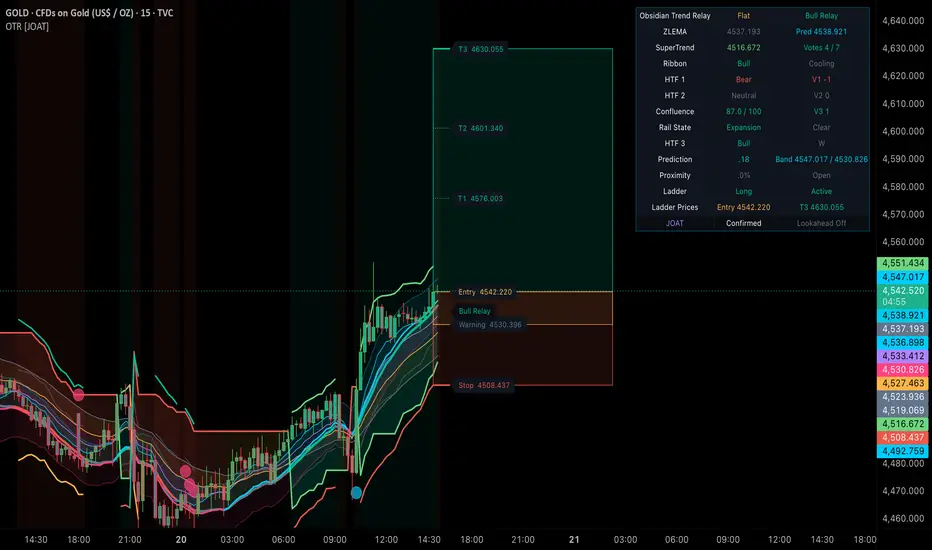
To demonstrate the depth of liquidity available on the platform, here is a live chart of the primary trading pair. The chart shows real-time price action and volume, giving you a clear view of market activity.
The infrastructure also includes robust monitoring tools that track gas fees and network congestion. By providing this data upfront, Obsidian helps traders time their transactions more effectively, avoiding peak times when costs are highest. This level of detail is essential for anyone looking to trade efficiently in a DeFi environment.
Essential Obsidian DEX tools for analysis
Successful trading on Obsidian DEX relies on more than just making swaps; it requires a clear view of liquidity depth, slippage, and real-time price action. Without the right data, you are trading blind. The following tools provide the infrastructure needed to monitor these metrics effectively.
Real-time Price Tracking
Slippage can eat into profits faster than you can react. A live price widget is essential for monitoring the asset you are trading against. This feed updates continuously, allowing you to see the current market rate and adjust your limit orders accordingly. It serves as your baseline for execution quality.
Advanced Charting
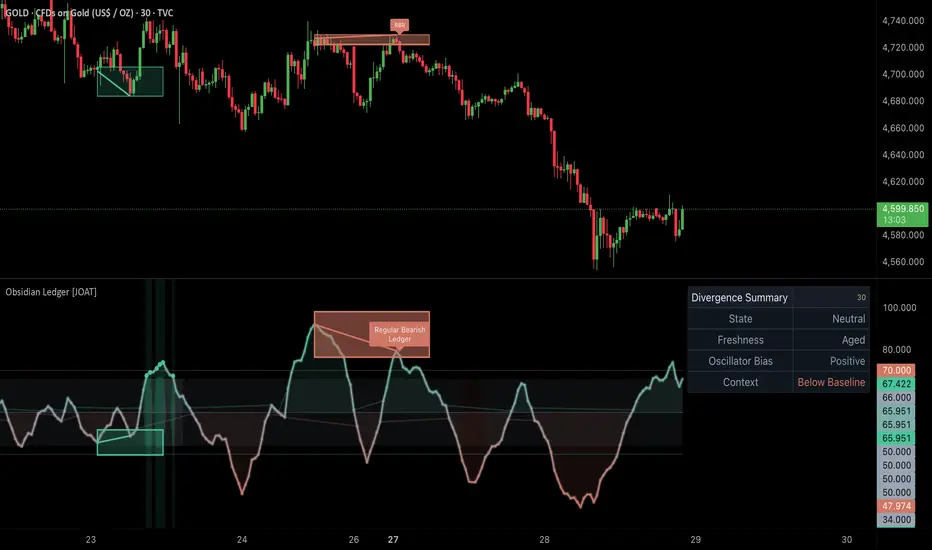
For deeper analysis, you need to see the history behind the current price. A provider-backed technical chart lets you overlay indicators like volume and RSI to identify trends. This visual data helps you time entries and exits better than looking at a raw price number alone. You can spot support and resistance levels that aren't obvious on a simple ticker.
Dashboard Monitoring
Beyond individual assets, you should track the health of the Obsidian DEX itself. Many traders use third-party dashboards or the official platform’s analytics page to view total value locked (TVL) and daily volume. These metrics indicate liquidity depth. Higher volume usually means tighter spreads and better execution for large trades.
Execution strategy for DeFi traders
Executing trades on Obsidian DEX isn't just about clicking "swap." It's about managing the gap between your expected price and the actual fill. Slippage is the silent killer of DeFi profits, turning a winning thesis into a loss before the transaction even settles. To trade effectively, you need a disciplined workflow that prioritizes timing and precision over speed.
Think of your trade like a sniper shot rather than a spray-and-pray approach. You don't just fire; you calculate windage, distance, and target movement. In DeFi, that means adjusting for volatility, liquidity depth, and network congestion. A rushed execution can cost you more than the trading fee itself.
1. Analyze market depth and volatility
Before you input any numbers, check the liquidity pool. Thin liquidity means your large trade will move the price against you, causing high slippage. Use the live price widget to see real-time movements. If the market is choppy, wait for a moment of relative calm or reduce your position size.
2. Set realistic slippage tolerance
Slippage tolerance is the maximum percentage difference you're willing to accept between the quoted price and the executed price. For stable pairs, 0.5% is often safe. For volatile assets, you might need 1-2%, but beware: setting it too high invites front-running bots. A tight setting protects you from bad fills; a loose one leaves you vulnerable.
3. Time your entry with technical signals
Don't trade against the momentum unless you have a specific contrarian thesis. Use the technical chart to identify key support and resistance levels. Entering near support with a bullish indicator can improve your fill price. Avoid trading during major news events unless you're prepared for extreme volatility.
4. Estimate gas and set priority fees
Network congestion can delay your transaction or cause it to fail if the gas fee is too low. Check the current gas price and set a priority fee that ensures your trade is included in the next block. This is especially important during high-demand periods when mempool traffic is heavy.
5. Review and confirm the transaction
Take a second to review all details: the token, the amount, the slippage, and the gas fee. Confirm the transaction only when you're satisfied. Once signed, it's immutable. A quick double-check here prevents costly errors that could drain your wallet.
Review the pool reserves to ensure sufficient liquidity for your trade size. Thin pools lead to high price impact.
Set your slippage tolerance based on asset volatility. Use tighter limits for stablecoins and wider limits for volatile assets to avoid failed transactions.
Check current network congestion. Adjust your gas fee to ensure timely inclusion without overpaying during low-traffic periods.
Confirm all trade details. Sign the transaction and monitor the block explorer to ensure successful settlement.
Obsidian DEX vs. Major Competitors
When choosing a decentralized exchange, the decision often comes down to three factors: how much it costs to trade, how fast your transaction settles, and whether there is enough liquidity to fill your order without slippage. Obsidian DEX positions itself as a high-performance alternative to established giants like Uniswap and Curve. While those platforms dominate specific niches, Obsidian aims to bridge the gap between centralized exchange speed and decentralized security.
The most immediate difference traders notice is the fee structure. Uniswap V3, the leading automated market maker, typically charges between 0.05% and 0.3% per swap depending on the pool volatility. Curve specializes in stablecoins with fees as low as 0.04%, but its complex concentrated liquidity models can be difficult for retail traders to navigate. Obsidian DEX often structures its fees to be competitive with Curve’s low-end rates while offering the broader asset support of Uniswap. This makes it particularly attractive for traders moving between volatile assets and stablecoins without paying premium slippage.
Speed is another critical differentiator. On Ethereum mainnet, block times and network congestion can cause transactions to stall or fail during high-traffic periods. Obsidian DEX leverages Layer 2 scaling solutions and optimized routing algorithms to reduce confirmation times significantly. For active traders, this speed translates directly to better execution prices, especially in fast-moving markets where seconds matter. The platform’s architecture is designed to handle high throughput, reducing the risk of front-running that is more common on slower, congested networks.
Liquidity depth determines whether you can trade large sizes without impacting the price. Uniswap has the deepest liquidity across the widest range of tokens, but this comes with higher gas costs. Curve holds the crown for stablecoin liquidity, offering minimal slippage for pegged assets. Obsidian DEX is still building its liquidity pools, focusing on high-volume pairs to ensure tight spreads. While it may not yet match Uniswap’s total depth, its targeted liquidity strategies often result in better effective prices for specific token pairs.
Side-by-Side Comparison
To help you decide if Obsidian DEX fits your trading strategy, here is a direct comparison of key metrics against its primary competitors. Note that liquidity and TVL figures fluctuate daily; always check live data before executing large trades.
| Metric | Obsidian DEX | Uniswap V3 | Curve Finance |
|---|---|---|---|
| Typical Swap Fee | 0.05% - 0.15% | 0.05% - 0.30% | 0.01% - 0.04% |
| Best For | Balanced speed/cost | Wide token variety | Stablecoin swaps |
| Transaction Speed | Fast (L2 optimized) | Standard (ETH Mainnet) | Standard (ETH Mainnet) |
| Liquidity Depth | Growing | Very Deep | Very Deep (Stables) |
| Complexity | Low | Medium | High |
Live Market Data
Market conditions change rapidly. Use the widgets below to check the current price and technical trends of major assets traded on these platforms. This helps you gauge volatility and potential slippage before you trade.
Helpful gear
Use these product recommendations as a starting point, then choose the size, material, and price point that fit how you actually use the gear.



As an Amazon Associate, we may earn from qualifying purchases.
No comments yet. Be the first to share your thoughts!