The obsidian dex strategy limits to account for
The Obsidian DEX is not a single tool but a distributed execution layer. This architecture introduces specific constraints that define any viable obsidian dex strategy. Unlike centralized exchanges where order books are unified, liquidity here is fragmented across multiple nodes and bridges. Your strategy must account for this fragmentation from the start.
Execution speed varies significantly depending on the underlying consensus mechanism and network congestion. Slippage is not just a function of trade size but also of the chosen routing path. A strategy that works on low-traffic nodes may fail during peak hours. You need to monitor node health and latency in real-time.
Security is another critical constraint. Smart contract risks are inherent in decentralized infrastructure. Audits are necessary but not sufficient. You must verify the trust assumptions of the specific bridge or aggregator you are using. A robust obsidian dex strategy prioritizes capital preservation over marginal efficiency gains.
Obsidian dex strategy choices that change the plan
Choosing an execution strategy on Obsidian DEX requires balancing speed against cost. The infrastructure supports multiple routing paths, each with distinct implications for slippage and final fill price. Understanding these tradeoffs helps you select the right tool for your specific volume and market conditions.
Constant Product vs. Concentrated Liquidity
Standard constant product pools offer deeper liquidity for wide price bands, making them ideal for volatile pairs or large market orders where price impact is a primary concern. Concentrated liquidity pools provide tighter spreads for stable pairs but require active management to keep positions within the active range.
Limit Orders vs. Market Orders
Limit orders eliminate slippage by setting a specific price, but they carry the risk of non-execution if the market moves away. Market orders guarantee immediate execution, which is essential for time-sensitive trades, but they expose you to higher slippage during periods of low liquidity or high volatility.
Slippage Tolerance Settings
Setting slippage tolerance is a critical risk management step. A tight tolerance (e.g., 0.5%) protects against bad fills but may cause transaction failures in fast-moving markets. A wider tolerance (e.g., 2-3%) ensures execution but risks receiving a significantly worse price than quoted. Adjust this setting based on the asset's historical volatility.
| Strategy | Execution Speed | Primary Cost | Best Use | Best Use Case |
|---|---|---|---|---|
| Constant Product | Medium | Slippage | Large, volatile trades | Large, volatile trades |
| Concentrated Liquidity | Fast | Impermanent Loss | Stable pairs | Stable pairs |
| Limit Order | Low | Opportunity | Precise entry/exit | Precise entry/exit |
| Market Order | Instant | Slippage | Urgent execution | Urgent execution |
Choose the next step
Obsidian DEX Analysis works best as a clear sequence: define the constraint, compare the realistic options, test the tradeoff, and choose the path with the fewest hidden costs. That order keeps the advice usable instead of decorative. After each step, pause long enough to check whether the recommendation still fits the reader's actual situation. If it depends on perfect timing, unusual access, or a best-case budget, include a simpler fallback.
Avoid the weak options
Use this section to make the Obsidian DEX Analysis decision easier to compare in real life, not just on paper. Start with the reader's actual constraint, then separate must-have requirements from details that are merely nice to have. A practical choice should survive normal use, maintenance, timing, and budget. If a recommendation only works in an ideal situation, call that out plainly and give the reader a fallback path.
The simplest way to use this section is to write down the must-have criteria first, then compare each option against those criteria before weighing nice-to-have features.
Obsidian dex strategy: what to check next
Before committing capital to Obsidian’s new infrastructure, it helps to address the practical concerns that determine whether this execution layer fits your current setup. The following answers cover liquidity depth, slippage mechanics, and integration hurdles.
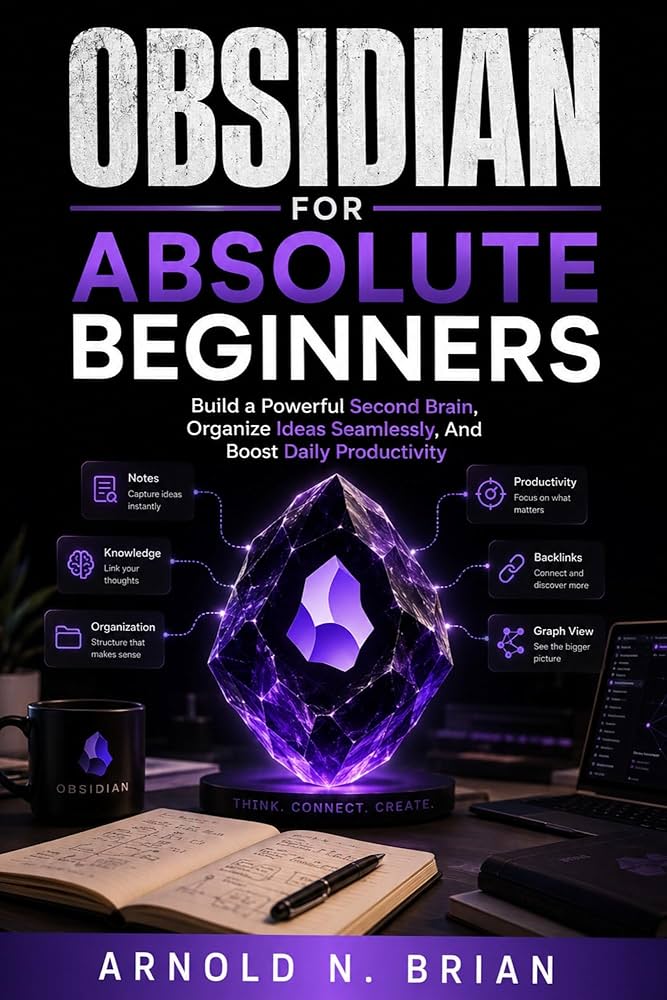
Helpful gear
Use these product recommendations as a starting point, then choose the size, material, and price point that fit how you actually use the gear.


As an Amazon Associate, we may earn from qualifying purchases.
No comments yet. Be the first to share your thoughts!