Infrastructure overview
Obsidian Finance operates as a smart aggregator for decentralized trading. Instead of routing your swap through a single exchange, it queries multiple decentralized exchanges (DEXs) simultaneously to find the best available rates. This approach is designed to minimize slippage and maximize the amount of tokens you receive on the other side.
The core value proposition is simple: better execution through aggregation. By splitting orders across various liquidity pools, Obsidian can often secure prices that are more favorable than those found on any individual platform. This is particularly useful in volatile markets where prices can shift rapidly between trades.
Obsidian's architecture focuses on efficiency and cost-effectiveness. It automatically calculates the optimal path for your trade, ensuring that you aren't overpaying for gas or accepting poor exchange rates. For a detailed breakdown of how the aggregation logic works, you can refer to the official Obsidian Finance documentation.
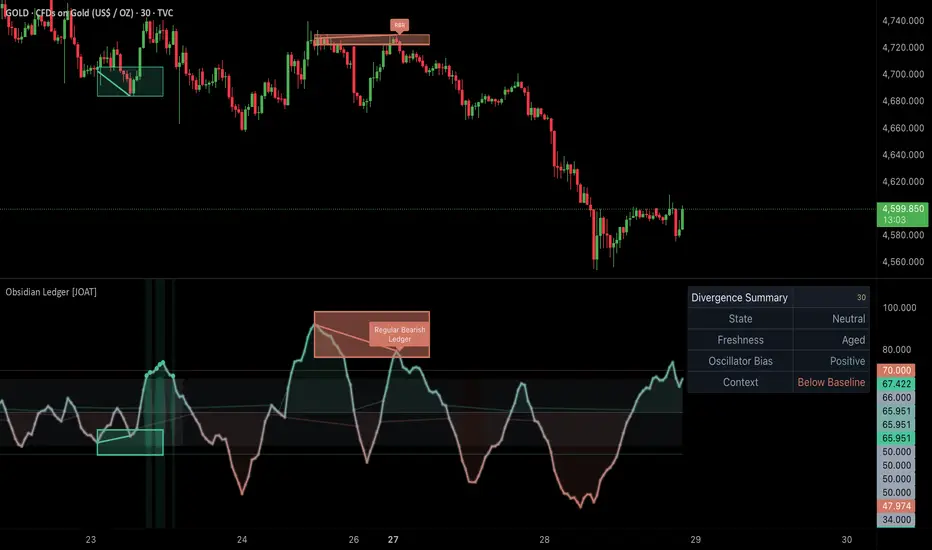
To understand how this aggregation impacts your trading performance, it helps to look at the broader market context. The following chart illustrates recent price action for ETH/USDC, a pair that frequently benefits from smart aggregation strategies.
How smart aggregation reduces slippage
When you swap tokens on a decentralized exchange, you are usually relying on a single liquidity pool. If the pool doesn't have enough depth, your trade pushes the price against itself, resulting in slippage. A large buy order on a single DEX can look like a whale moving the market, driving up the price before your entire order is filled. The result is that you end up paying more for your tokens than the current mid-market rate.
Obsidian’s smart aggregation system solves this by splitting your trade across multiple liquidity sources. Instead of sending your entire order to one pool, the protocol queries several decentralized exchanges simultaneously. It then fragments your request, sending smaller portions to different pools where they have less impact on the price. This process ensures that each slice of your trade gets the best available rate at that moment.
This mechanism effectively creates a deeper pool of liquidity than any single exchange can offer. It allows larger trades to execute with minimal slippage, which is critical in volatile markets. The system continuously updates these rates to ensure you are always getting the most competitive price available across the entire ecosystem. You get the benefit of deep liquidity without needing to manage multiple transactions yourself.
Hardware wallets for secure trading
Managing your own keys is the first line of defense in DeFi. Using a hardware wallet ensures that your private keys never leave your device, keeping your assets safe from online threats. When trading on Obsidian DEX, having a secure wallet is essential for managing your crypto assets safely while you take advantage of smart aggregation.



As an Amazon Associate, we may earn from qualifying purchases.
These devices provide a physical barrier between your assets and potential hackers. They require physical confirmation for every transaction, adding a layer of security that software wallets cannot match. Choosing the right wallet depends on your need for mobile connectivity versus maximum security. For most active traders, a device with Bluetooth support offers the best balance of convenience and safety.
Obsidian DEX tools for execution
Use this section to make the Obsidian DEX Analysis decision easier to compare in real life, not just on paper. Start with the reader's actual constraint, then separate must-have requirements from details that are merely nice to have. A practical choice should survive normal use, maintenance, timing, and budget. If a recommendation only works in an ideal situation, call that out plainly and give the reader a fallback path.
The simplest way to use this section is to write down the must-have criteria first, then compare each option against those criteria before weighing nice-to-have features.
Verify Liquidity and Security Before Trading
Before executing large trades on Obsidian, you need to look under the hood. Smart aggregation is powerful, but it only works if the underlying liquidity is deep and the contracts are sound. Without these foundations, even the best routing algorithm can’t save you from bad prices or failed transactions.
Liquidity depth determines how much slippage you’ll face. Obsidian’s aggregator queries multiple decentralized exchanges to find the best rates, but if the pools are thin, large orders will still move the market against you. Always check the pool size and historical depth for the tokens you’re trading. This isn’t just about current price; it’s about how the price behaves when you actually push volume through the system.
Smart contract security is equally critical. Since Obsidian interacts with multiple protocols, you’re exposed to the weakest link in the chain. Verify that the contracts involved have been audited by reputable firms and that there are no known vulnerabilities. A single exploit in a connected protocol can drain funds, regardless of how efficient the aggregation logic is.
Rely on official sources for this data. Obsidian’s own documentation and the audit reports from their security partners are the primary places to check. Avoid third-party summaries that might miss critical details or outdated information. Your capital depends on the accuracy of this verification, so take the time to confirm the depth and security before you click swap.
Obsidian DEX Analysis: Strategy Summary
Obsidian’s smart aggregation system works by querying multiple decentralized exchanges to find the best available rates. Instead of relying on a single liquidity pool, it routes trades through the most efficient paths, which directly reduces slippage and improves execution prices for traders. This approach is particularly useful in volatile markets where liquidity can be fragmented across different protocols.
The platform’s utility lies in its ability to save users money on every transaction. By automatically selecting the optimal route, Obsidian eliminates the need for manual comparison across various DEXs. This saves time and ensures that traders get the most favorable terms without needing deep technical knowledge of liquidity distribution.
For traders focused on minimizing costs, Obsidian offers a practical solution. The platform’s design prioritizes efficiency, making it a strong candidate for those who trade frequently or handle larger volumes. While no system is perfect, the reduction in slippage often outweighs the minor overhead of using an aggregator.
Common questions about Obsidian Finance
Users often confuse Obsidian Finance with the popular note-taking app, but the focus here is strictly on decentralized trading. Below are the most frequent questions regarding how the platform operates, its costs, and its security model.
How does Obsidian reduce slippage?
Obsidian uses a smart aggregation system that queries multiple decentralized exchanges simultaneously. It identifies the best available trading rates across these pools to execute your swap. This process minimizes slippage by splitting orders where necessary to find the most efficient path for your trade Obsidian Finance.
What are the trading fees?
Fees on Obsidian Finance typically consist of a small platform fee plus the variable gas costs required to process transactions on the underlying blockchain. The platform aims to keep these costs low to remain competitive with other major DEX aggregators, though exact percentages can vary by network and token pair.
Is the platform secure?
Security is a primary concern for any DeFi protocol. Obsidian Finance relies on smart contracts that have undergone auditing to ensure they function as intended. Users are advised to always verify contract addresses and interact only with official channels to avoid phishing attempts or fake interfaces.
No comments yet. Be the first to share your thoughts!