Obsidian DEX Infrastructure Overview
Obsidian Finance operates as a smart aggregator within the decentralized finance (DeFi) ecosystem. Rather than relying on a single liquidity pool, its infrastructure queries multiple decentralized exchanges (DEXs) simultaneously to identify the most efficient trading rates. This approach minimizes slippage and optimizes execution prices for traders navigating fragmented liquidity.
The system functions by breaking down large orders into smaller chunks, routing them across various protocols to secure the best aggregate price. This method is particularly valuable in volatile markets where price disparities between exchanges can lead to significant losses if not managed properly. By automating this routing process, Obsidian reduces the complexity of cross-DEX trading for end-users.
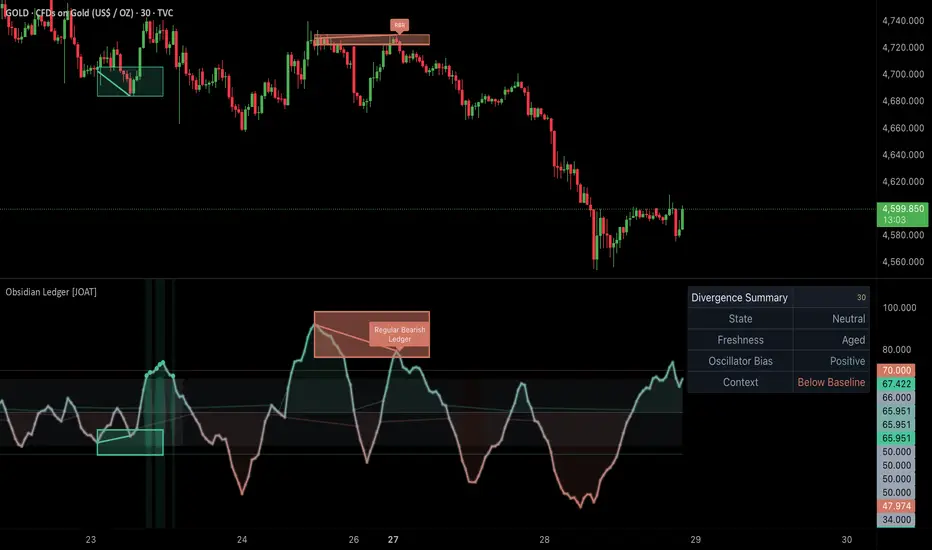
The underlying architecture prioritizes transparency and security, core tenets for any DeFi infrastructure. Users can verify transactions on-chain, ensuring that the aggregation logic adheres to the stated parameters without hidden fees or opaque routing mechanisms. This level of scrutiny is essential for maintaining trust in a space where smart contract risks are prevalent.
Smart aggregation mechanics
Obsidian’s core value proposition lies in its ability to act as a smart aggregator that queries multiple decentralized exchanges (DEXs) to find optimal rates. Instead of routing a trade through a single liquidity pool, the system scans available venues in real-time to identify the path of least resistance. This process is essential for minimizing slippage, especially during periods of high market volatility.
The aggregation engine operates by breaking down larger trades into smaller fragments or selecting the most efficient multi-hop routes across different protocols. By comparing raw prices, gas costs, and liquidity depth simultaneously, Obsidian constructs a composite quote that often outperforms any individual DEX. This mechanical advantage ensures that traders receive the best possible execution price without manually switching between interfaces.
To visualize the market conditions these mechanics navigate, consider the recent price action of the primary token involved in these trades. The following chart illustrates the volatility context where smart aggregation becomes critical for preserving capital.
While the technical infrastructure handles the heavy lifting of route optimization, the user experience remains seamless. Traders interact with a single interface, unaware of the complex backend calculations occurring in milliseconds. This abstraction layer is what distinguishes modern aggregators from early-stage DEXs, which often resulted in suboptimal fills due to fragmented liquidity.
For developers and advanced users interested in the specific algorithmic approaches used by Obsidian, understanding these aggregation mechanics provides insight into how DeFi infrastructure evolves to meet efficiency demands. The system continuously updates its routing logic based on real-time liquidity changes, ensuring that the "best rate" is always a dynamic, calculated result rather than a static promise.
Execution Tools and Interfaces
Trading on Obsidian requires choosing between speed and precision. The platform offers two primary execution paths: standard swaps for immediate liquidity and advanced limit orders for price control. Understanding the mechanics of each helps traders plan around the decentralized landscape without overpaying for slippage or missing entry points.
Obsidian’s core value proposition lies in its smart aggregator system. Instead of routing trades through a single venue, the interface queries multiple decentralized exchanges simultaneously. This process identifies the best available rates by splitting orders across different liquidity pools. For the average trader, this means getting closer to the mid-market price without manually checking five different DEXs.
Standard Swaps vs. Limit Orders
The choice between a market swap and a limit order depends on your execution urgency. Standard swaps are designed for speed, executing instantly at the best current aggregated rate. Limit orders allow you to set a specific price, holding the trade in the order book until the market reaches your target. This distinction is critical during high-volatility periods when slippage can erode profits quickly.
The table below outlines the functional differences between these execution methods on the Obsidian interface.
| Feature | Standard Swap | Limit Order |
|---|---|---|
Interface Navigation
Accessing these tools is straightforward through the main dashboard. Users connect their wallet, select the token pair, and toggle between swap and limit modes. The interface displays real-time aggregated prices, allowing you to compare the cost of immediate execution versus waiting for a limit fill. Always verify the gas estimates before confirming, as complex limit orders may require higher upfront transaction fees.
Market Structure and Liquidity
Obsidian Finance operates as a smart aggregator, routing trades across multiple decentralized exchanges to find the best available rates. This infrastructure is designed to minimize slippage for traders, but it doesn't eliminate the risks inherent in decentralized liquidity pools. When you execute a trade, you are interacting with the underlying liquidity of various protocols, and the depth of that liquidity directly impacts your execution price.
Market depth varies significantly depending on the asset pair and the specific pools Obsidian queries. For high-volume tokens, the aggregated liquidity is generally robust, allowing for larger trades with minimal price impact. However, for niche or lower-volume assets, the available liquidity can be thin. In these cases, even a moderate-sized trade can cause significant slippage, eroding potential profits. It is essential to check the real-time depth of the pool before confirming a transaction.
The primary opportunity for traders lies in Obsidian's ability to split orders across multiple sources. By breaking a large trade into smaller chunks, the platform can often secure a better average price than a single swap on one DEX. This is particularly useful in volatile markets where prices change rapidly. Traders should monitor the split execution to ensure the final price aligns with their expectations.
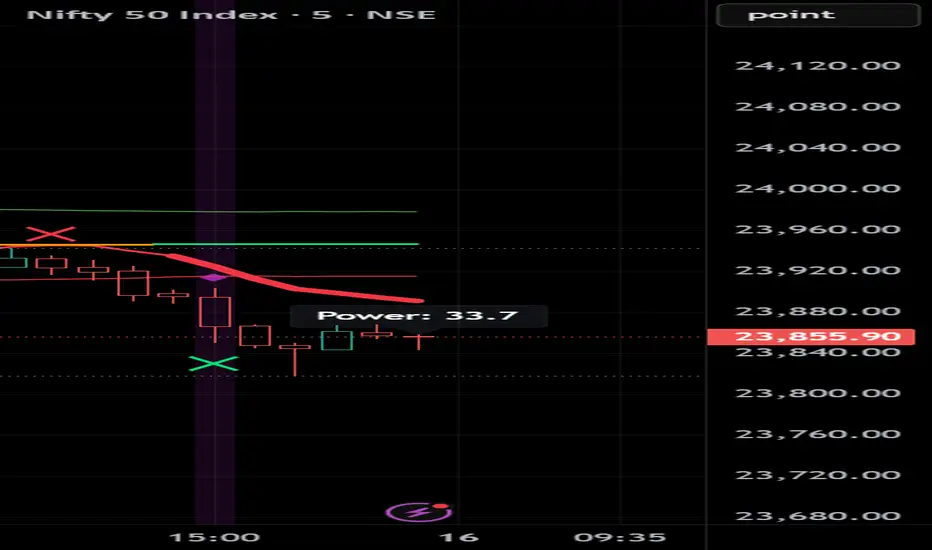
Risks arise when liquidity is fragmented or when one of the underlying DEXs experiences a temporary outage or low depth. Aggregators rely on real-time data, and if the data feed is delayed, the quoted price may differ from the actual execution price. Always review the estimated price impact and slippage tolerance settings before trading. For a visual reference of current market trends, you can review the latest price action using the technical chart below.
Execution strategy checklist
Before you commit funds on Obsidian DEX, treat the interface like a precision instrument rather than a simple swap button. The platform’s smart aggregator queries multiple decentralized exchanges to find the best rates, but that advantage only works if you configure your trade correctly. A rushed entry can lead to poor fills or unexpected slippage.
Use this checklist to ensure your execution is clean and cost-effective.
Check the liquidity pool for your target asset pair. Obsidian aggregates liquidity, but thin pools still cause price impact. Ensure the pool has enough depth to handle your trade size without moving the market price against you.
Slippage settings determine how much price movement you accept. For stable pairs, set this low (0.1%–0.5%). For volatile assets, increase it slightly to ensure the transaction goes through, but never set it so high that you accept a bad deal. Observe the estimated output before confirming.
Check the current gas prices on the underlying blockchain. If the network is congested, your transaction might sit pending or fail. Ensure your wallet has enough native tokens (like ETH or MATIC) to cover the gas fees on top of the trade amount.
Obsidian’s smart aggregator selects the best route, but you should still glance at the breakdown. If the route looks overly complex or involves many hops for a small trade, the gas costs might outweigh the slippage savings. Stick to direct routes when possible for small amounts.
Once you confirm, monitor the transaction hash. If the trade fails due to slippage, adjust your settings and retry. If it succeeds, verify the received amount matches your expectation. Keep a record of the transaction for your own tracking and tax purposes.
Common questions about Obsidian DEX
Obsidian Finance operates as a smart aggregator that routes trades across multiple decentralized exchanges to secure the best available rates. This infrastructure minimizes slippage by querying liquidity pools simultaneously rather than relying on a single source. For users concerned about reliability, the platform’s open-source code allows for independent verification of its routing algorithms and smart contracts.
The primary drawback is that aggregator fees can sometimes negate gains on very small trades. Additionally, because Obsidian Finance relies on external liquidity providers, execution speed is tied to the underlying chains rather than a proprietary order book. Users should always review the estimated gas costs and price impact before confirming a swap to ensure the aggregated rate offers a tangible advantage over direct exchange routing.
Helpful gear
Use these product recommendations as a starting point, then choose the size, material, and price point that fit how you actually use the gear.



As an Amazon Associate, we may earn from qualifying purchases.
No comments yet. Be the first to share your thoughts!